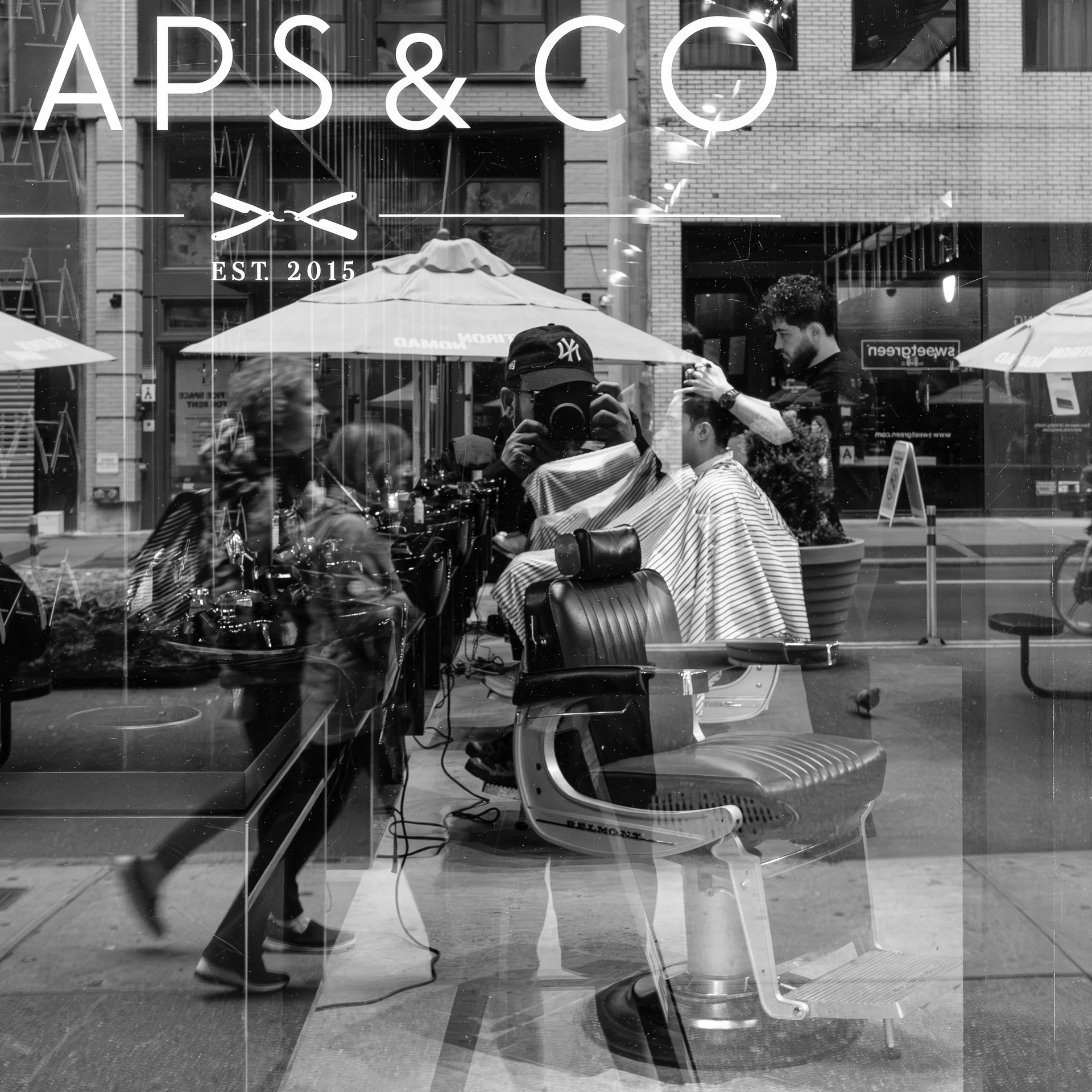
Learning from Others: The Workshop as a Creative Compass
A flâneur's reflections on curiosity, courage, and the craft of learning. How a single three-hour street photography workshop in Vancouver in 2012 quietly redirected an entire creative path — and what the teachers since, from Ian MacDonald to Valérie Jardin, Bruce Gilden to Peter Turnley, have offered about seeing, lineage, and momentum.
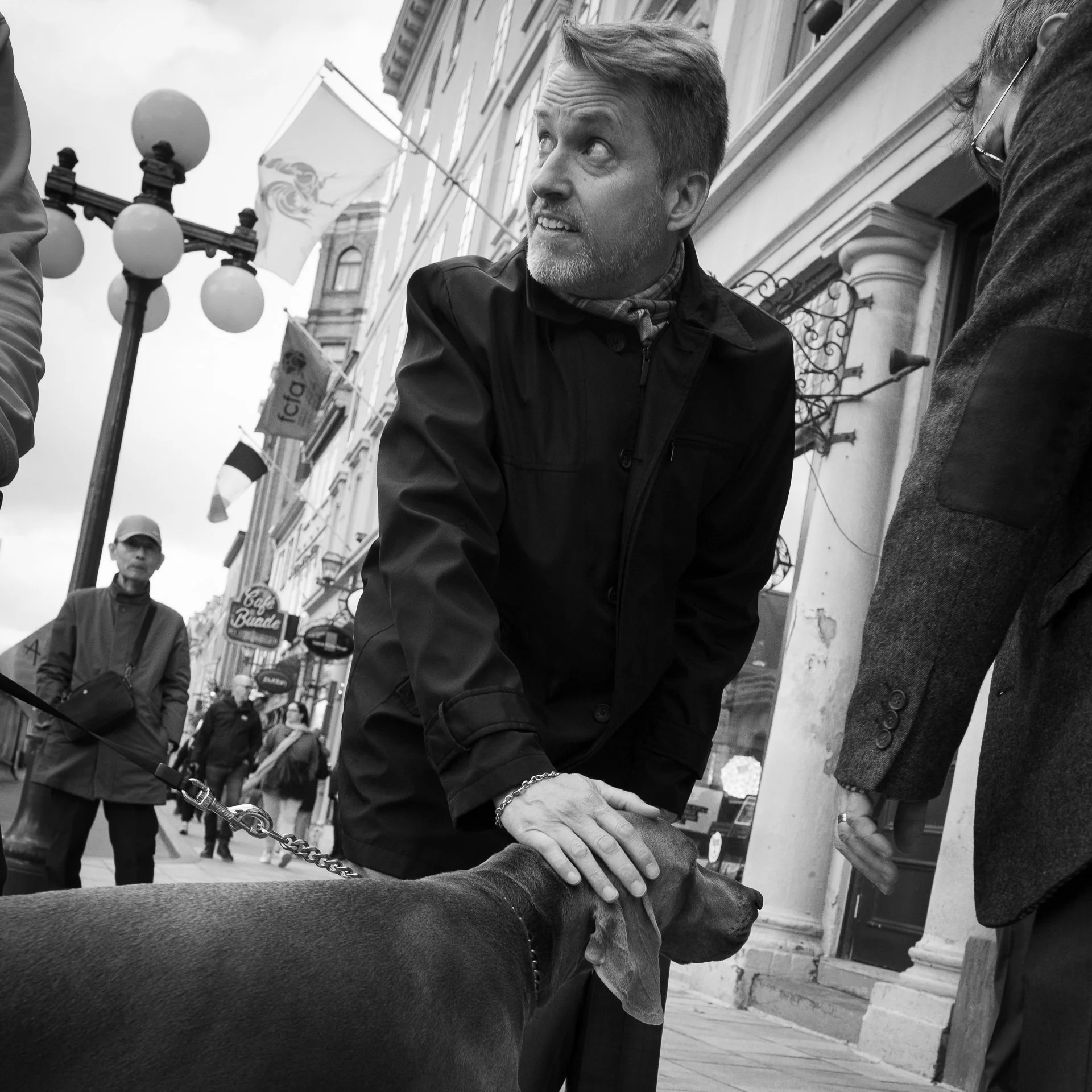
When a Project Begins to Clarify
Every project reaches a moment when the fog begins to thin. Chapter 6 of The Architecture of a Photographic Project explores how to recognise that clarification — the slow emergence of coherence, the deepening of intention — and work with it without closing the project too soon. Includes The Quiet Edit exercise.
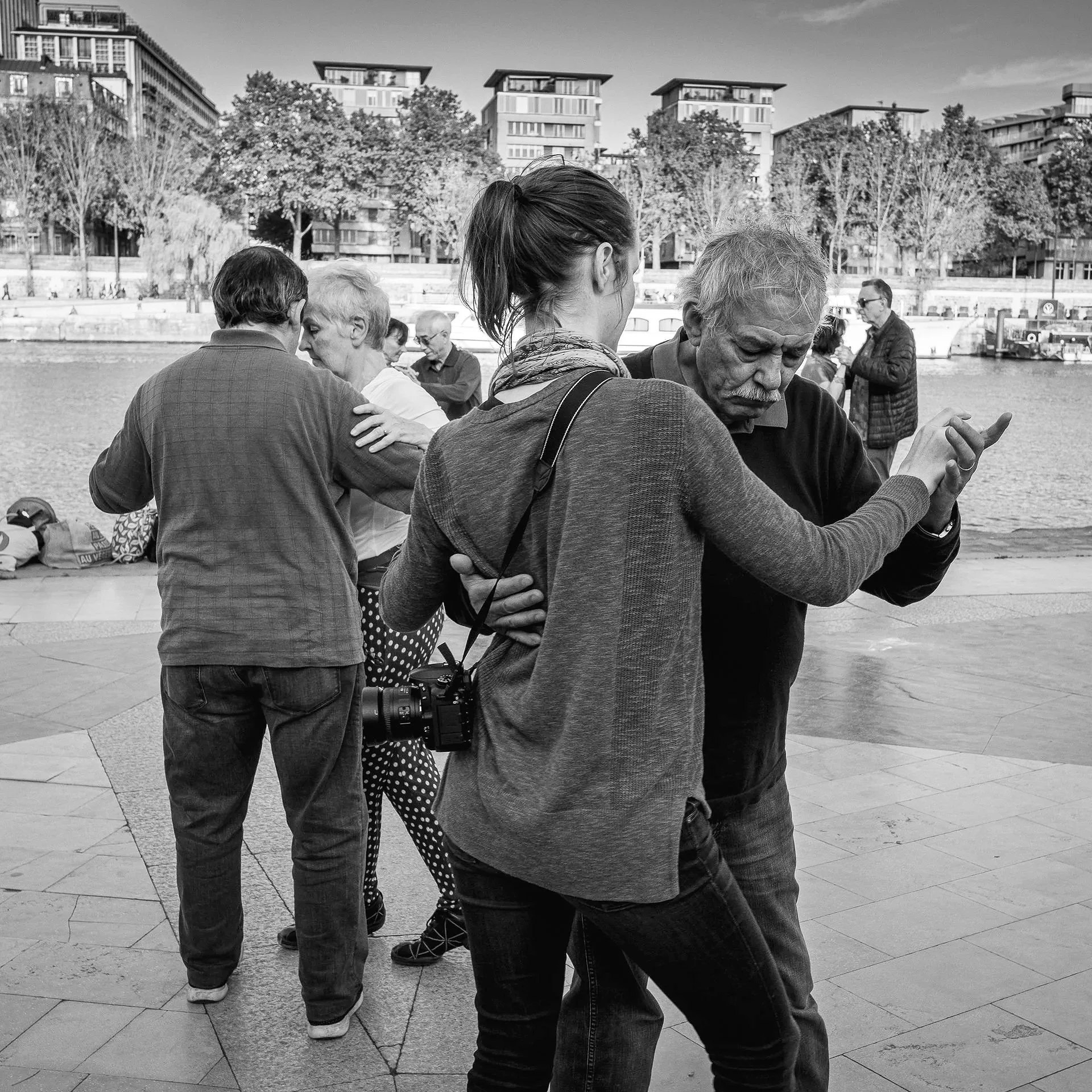
The Yoga Sutras for Photographers
The Yoga Sutras remind us that photography begins long before the shutter. Presence is not a genre; it is a way of meeting the world with steadiness, breath, and ethical attention. When we translate the eight limbs of Yoga into the lived practice of flânerie, we discover a quieter, more intentional way of seeing — one that deepens our relationship with the street, with our projects, and with ourselves.
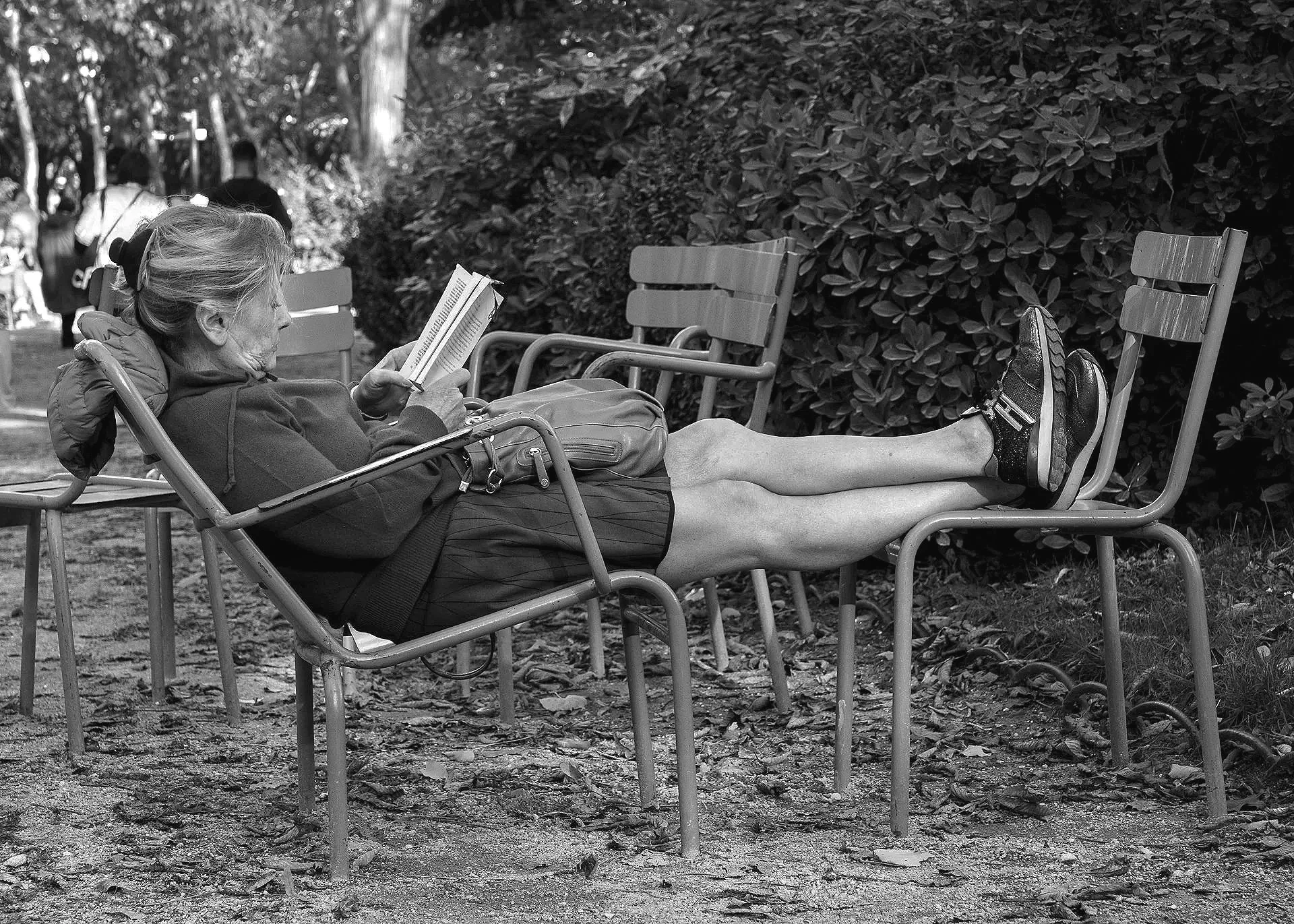
The Architecture of a Project - Early Stages
A project begins quietly — long before you name it, long before you understand it, long before you decide what it is “about.” In the earliest stages, the work feels like a soft gathering of repetitions: a mood that keeps returning, a gesture that feels familiar, a visual tendency that follows you from street to street. These signals begin as fragments, but eventually they start leaning toward one another. They form a loose constellation — a gentle, early form with project possibilities.
This chapter explores how to recognise that early form without forcing it, how to build just enough structure for the work to breathe, and how to stay open long enough for a project to reveal what it is becoming.

Beginning the Conversation With Your Work
A project begins quietly, long before you can name it. In these early moments, your work is already speaking — not loudly, but consistently. Chapter 3 is where you begin responding to those signals. It is where wandering becomes inquiry, where repetition becomes resonance, and where the first gentle conversation with your work begins.
The Emotional Thread Running Through Your Work
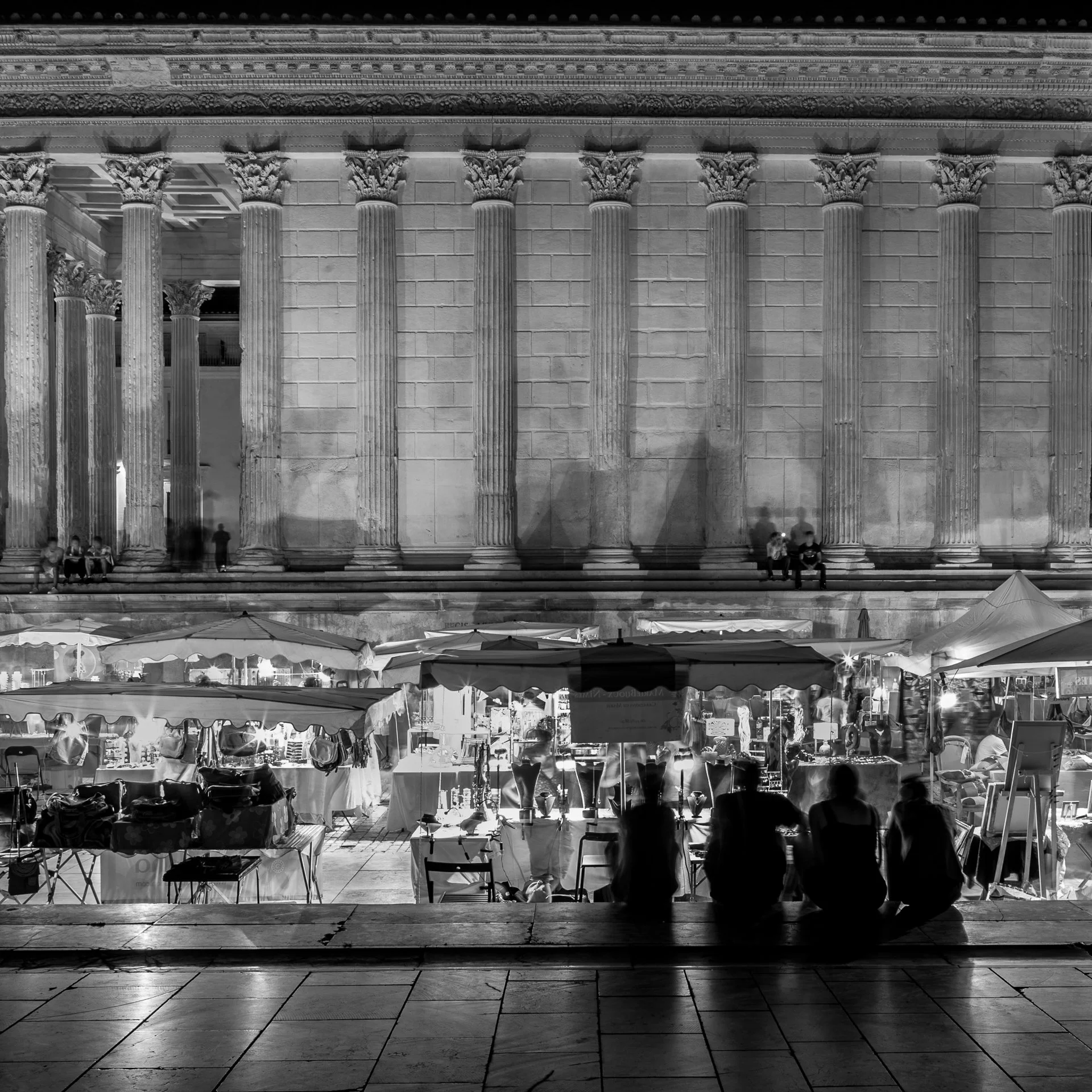
Most photographers begin projects long before they realise it. A project doesn’t announce itself with a title or a plan — it begins quietly, in the background of your practice, in the images you make without thinking and the places you return to without explanation. This chapter explores how instinct, emotion, repetition, and visual tendencies reveal what your work is already trying to say. By noticing the patterns beneath your awareness, the emotional threads running through your photographs, and the visual habits that shape your seeing, you begin to recognise the early architecture of a project forming on its own. A project doesn’t need to be long to be meaningful; it simply needs intention, attention, and the willingness to return. This chapter invites you to slow down, look closely, and listen to what your work has been quietly circling — the beginnings of a deeper photographic inquiry already unfolding in your practice.
The Early Signals in Your Work
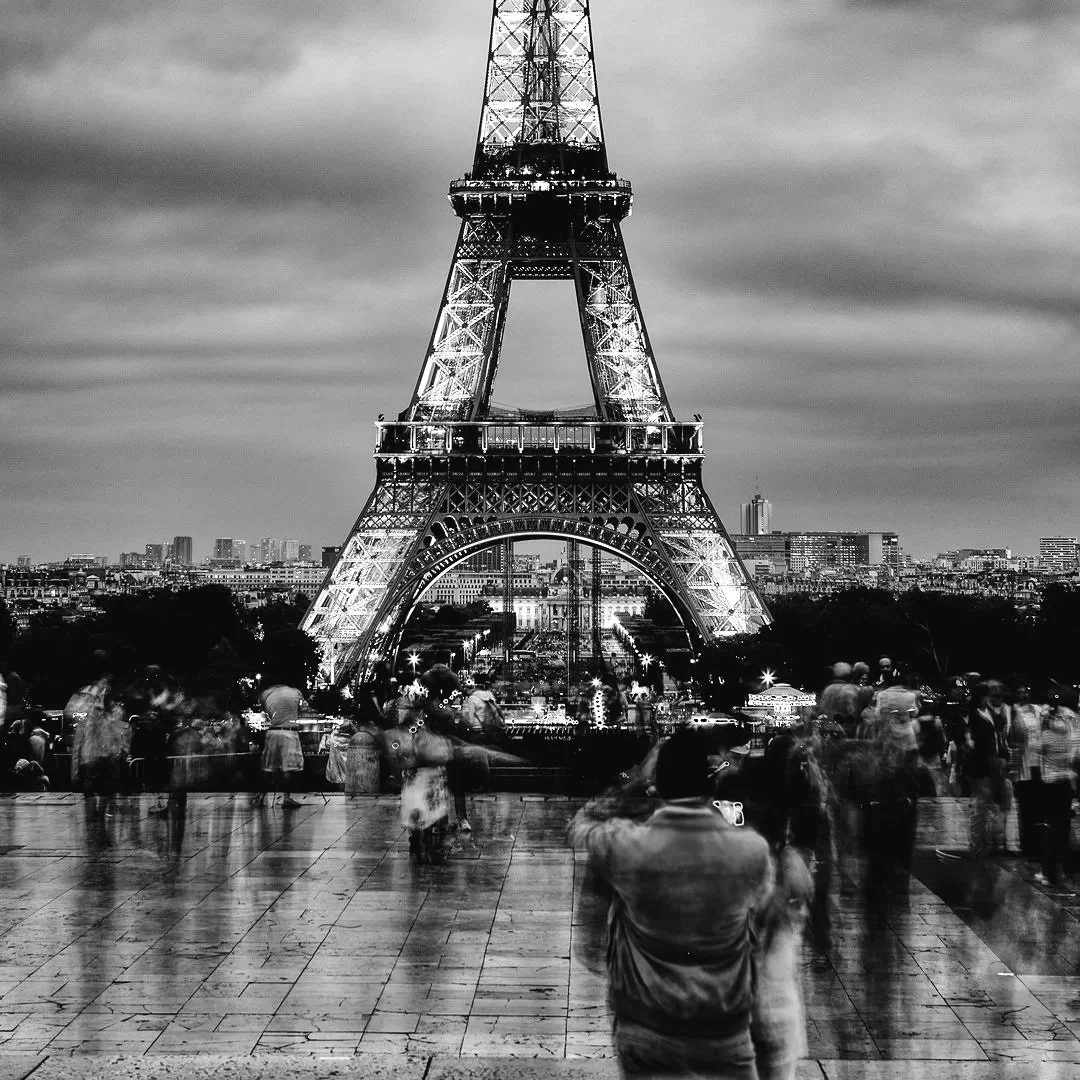
Photographic projects are where wandering begins to take shape. They give direction to curiosity, structure to instinct, and a home for the slow evolution of voice. In this chapter of The Flâneur’s Journal, we explore why projects matter, how they deepen your seeing, and how a single image — even one inserted simply as illustration — can open the door to multiple bodies of work. You don’t need to choose a project yet; this is the beginning of thinking your way into one.
The Architecture of a Photographic Project
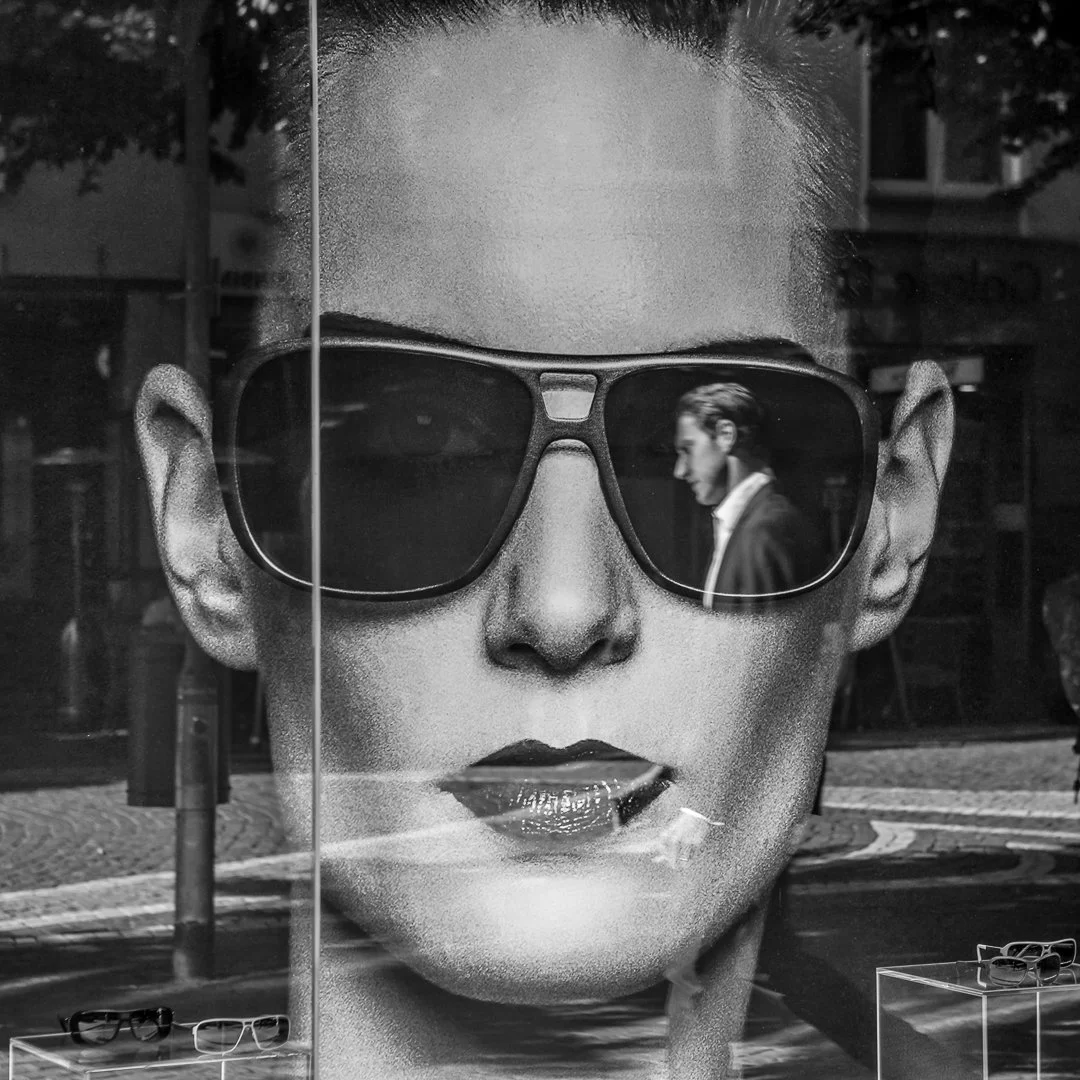
A photographic project is more than a collection of images — it is a way of thinking, a way of noticing, and a way of returning. Projects give shape to your curiosity. They deepen your attention. They help you understand not only what you photograph, but why you photograph it. At its core, this series is about learning to recognise the early signals in your work — the moods, repetitions, atmospheres, and questions that quietly gather beneath the surface. A project does not begin with a subject; it begins with a feeling.
Yoga on the Street: How Flânerie Became My Practice of Presence
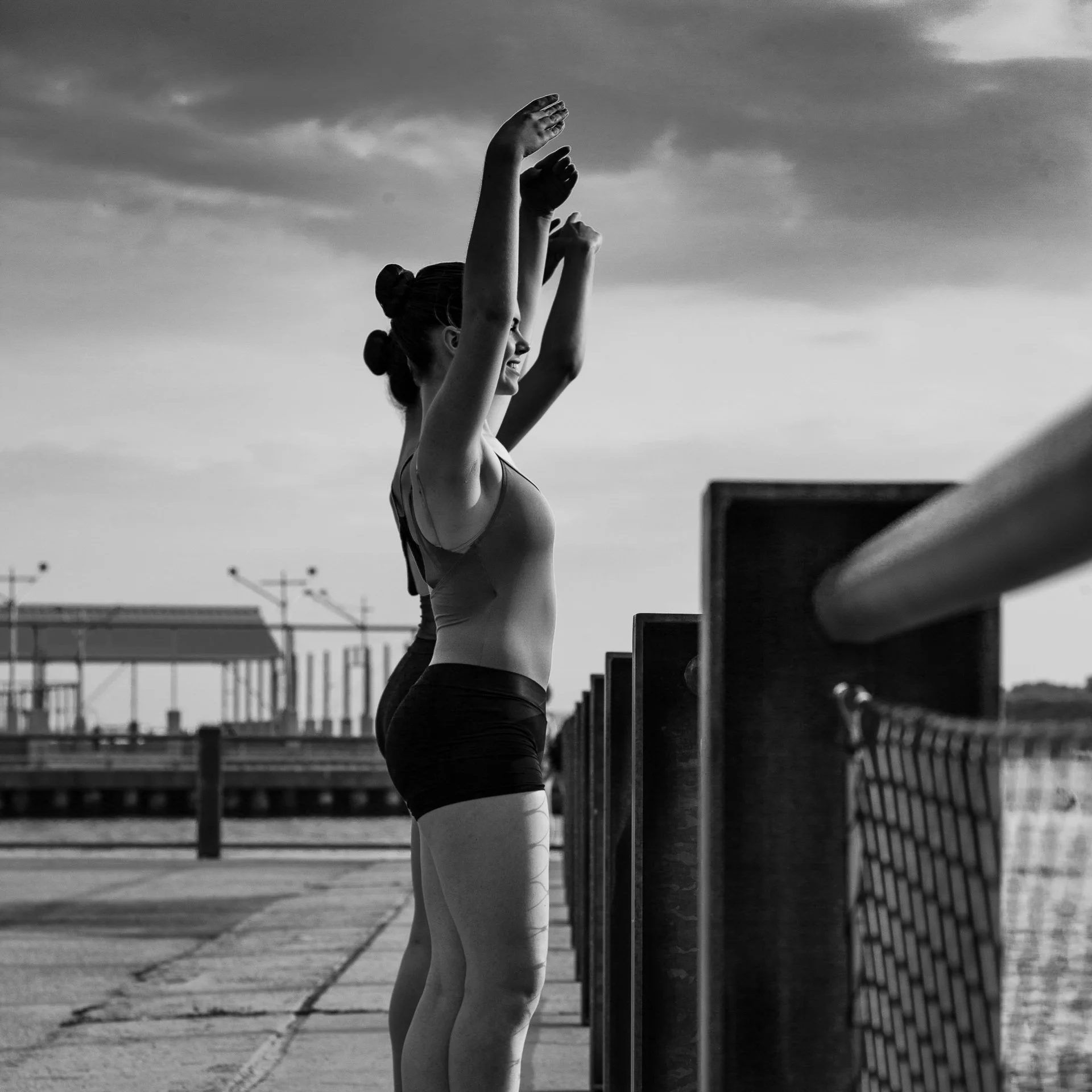
A quiet kinship lives between Yoga and flânerie — not in postures or performance, but in the discipline of presence. Street photography begins in the body: the pace of the walk, the softness of the gaze, the breath that steadies attention. What emerges is a practice of non‑striving, ethical presence, and inner stillness inside motion. This piece traces how wandering the city becomes a form of Yoga — and offers a gentle sequence designed specifically for the bodies of street photographers.

Street Poets’ Lexicon: Urbopoetics
A concise summary of urbopoetics—its methods, ethics, and hybrid forms—and how it contrasts with traditional street poetry; ideal for poets and photographers.
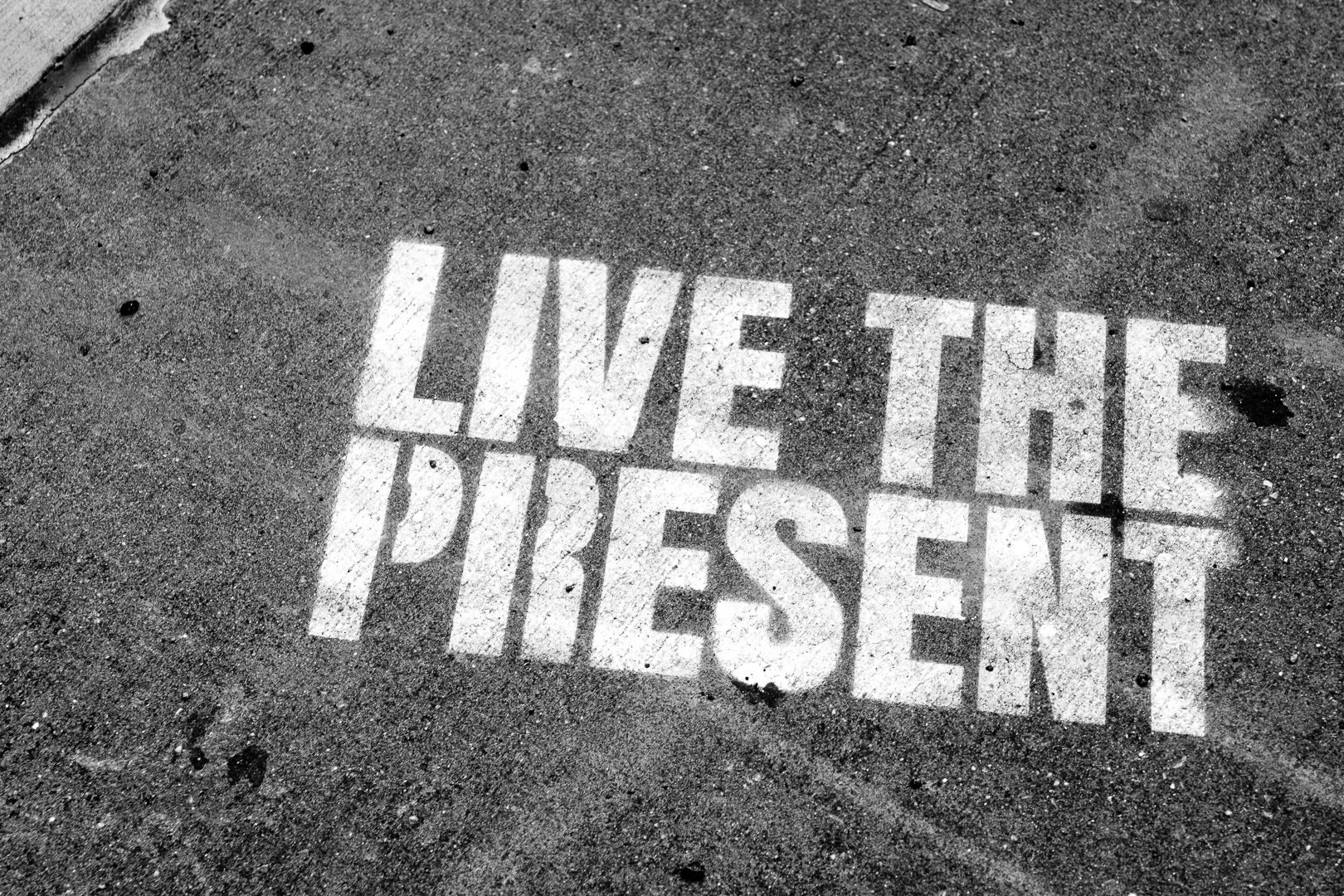
Photograph Without a Plan: Live in the Present - Part 2 of 2
The street has a way of pulling you back into the present—into the breath, the light, the fleeting gestures most people rush past. What I’ve learned, walking as a young flâneur and later as a photographer, is that presence isn’t something you force. It’s something the streets teach you, moment by moment, if you’re willing to slow down, listen with your eyes, and let the world unfold on its own terms.