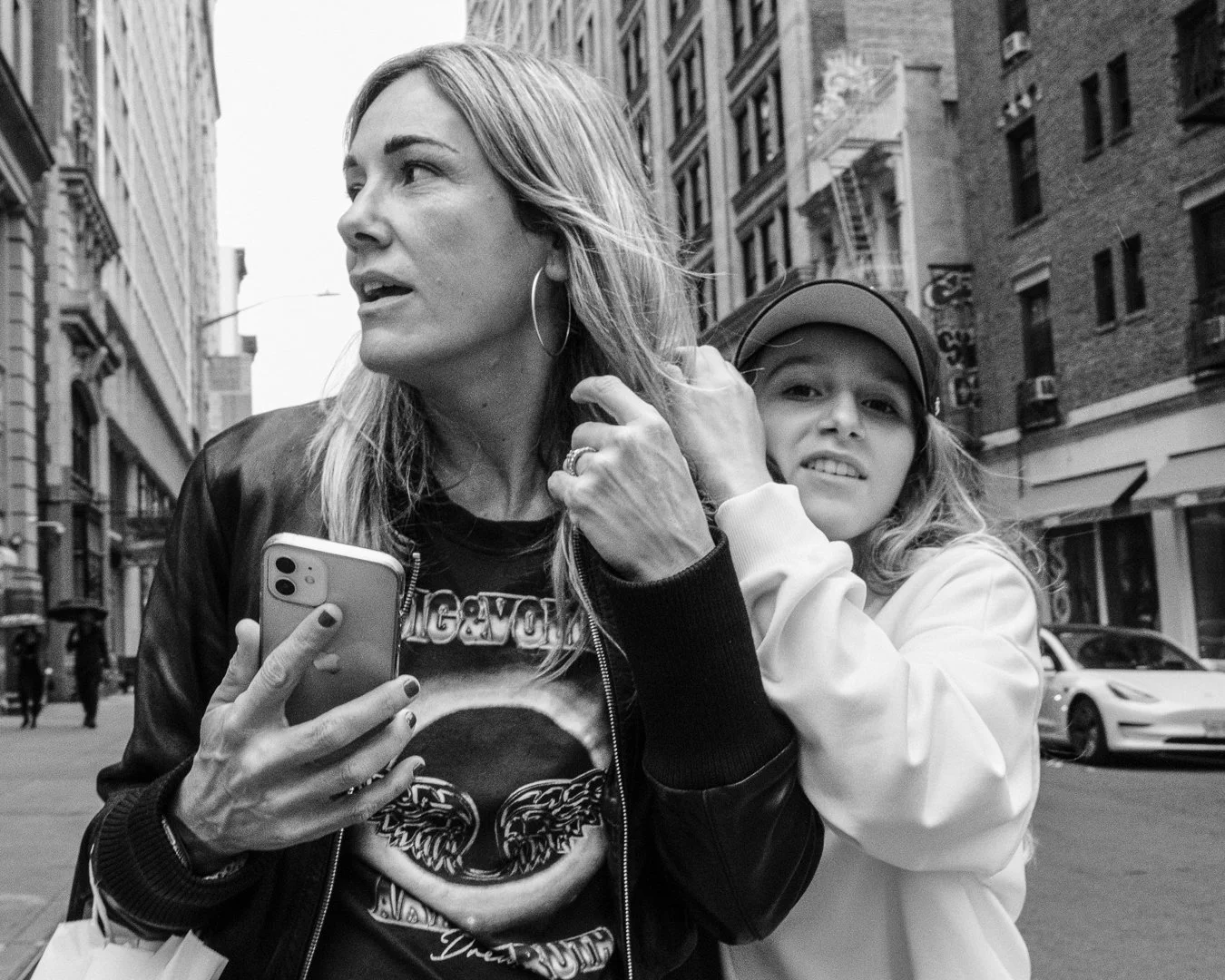
Stepping Into the Middle of the Work
Every project has a moment when it stops feeling like a loose constellation and begins to feel like a place — a terrain you can walk into, a space with its own gravity, its own questions, its own emotional weather. The early signals have gathered. The architecture has gently begun to take form. Something in the work feels more insistent now, more anchored, more willing to grow.
This is the moment when you step into the middle of the work, not with certainty, not with a plan, but with a deeper kind of attention. The middle of a project is where curiosity becomes commitment, where the emotional centre clarifies, and where the work begins to ask more of you than simple noticing.
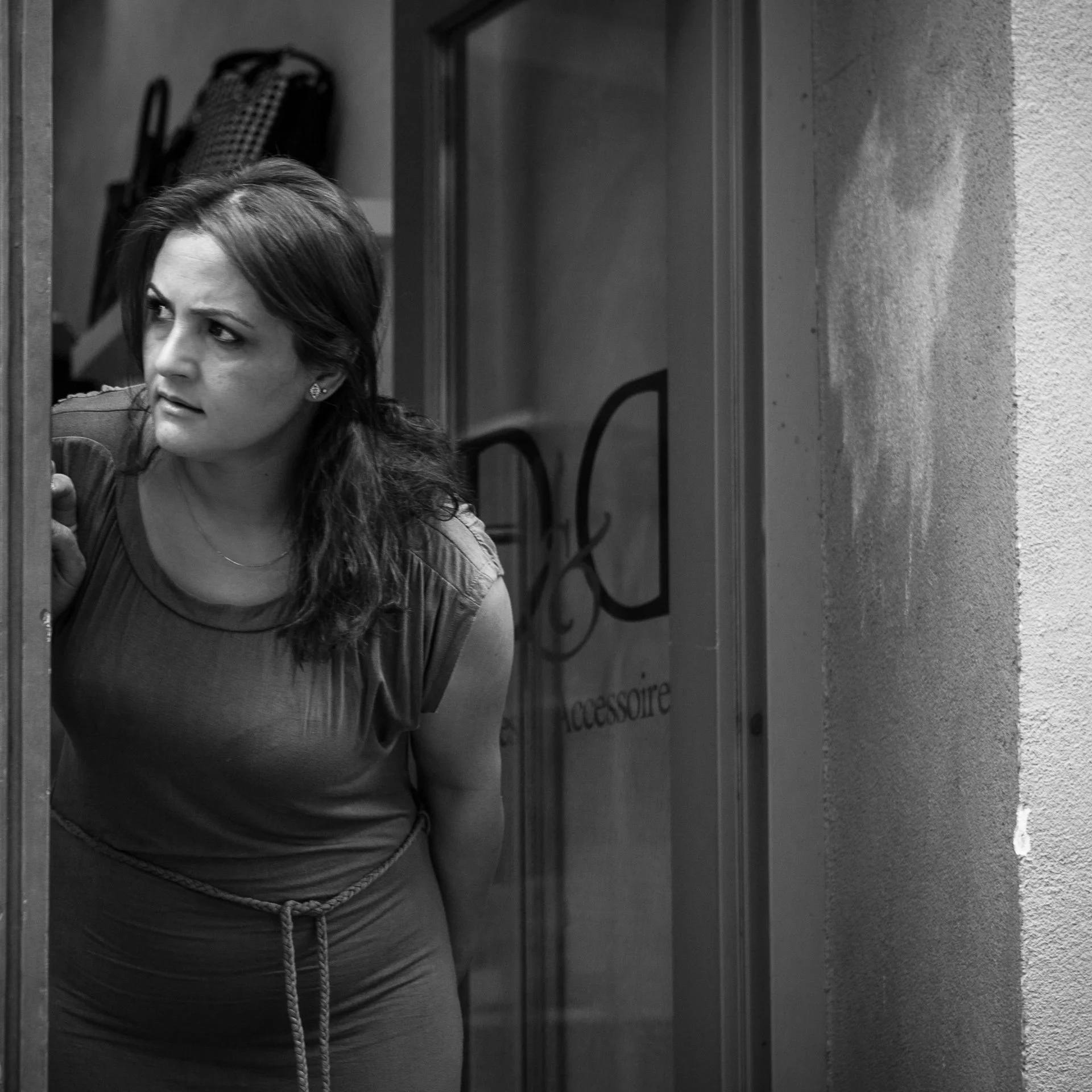
One Lens — One Month
A single lens for a month teaches you to slow down and to commit. You begin to understand distance and scale with a kind of bodily certainty. You learn how your chosen focal length interprets space: how it stretches, compresses, reveals, and withholds. Over time, this familiarity becomes a quiet confidence — a sense that you can walk into any situation and already know how your frame will behave. Constraint clarifies; attention deepens; your seeing becomes steadier, quieter, truer.
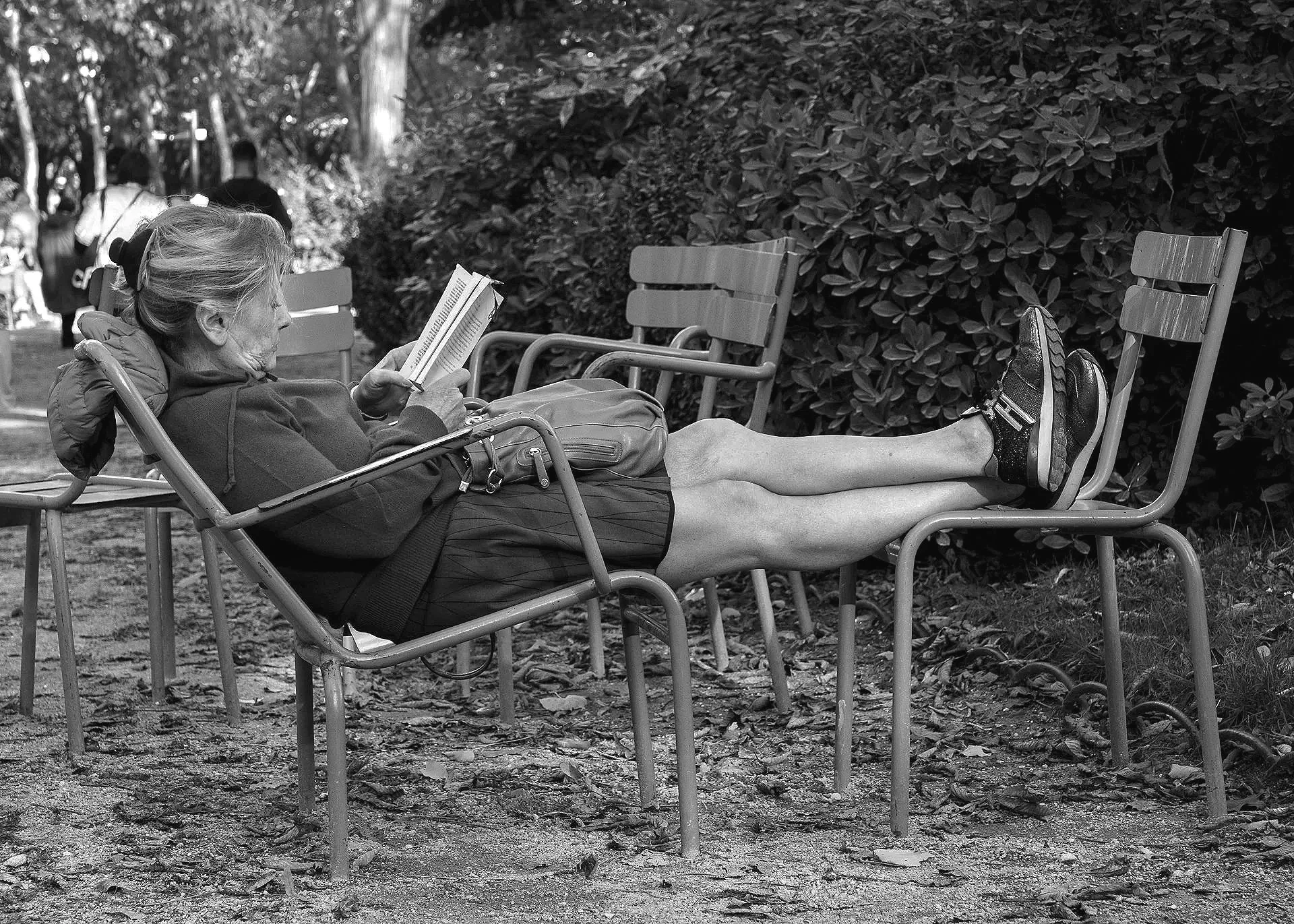
The Architecture of a Project - Early Stages
A project begins quietly — long before you name it, long before you understand it, long before you decide what it is “about.” In the earliest stages, the work feels like a soft gathering of repetitions: a mood that keeps returning, a gesture that feels familiar, a visual tendency that follows you from street to street. These signals begin as fragments, but eventually they start leaning toward one another. They form a loose constellation — a gentle, early form with project possibilities.
This chapter explores how to recognise that early form without forcing it, how to build just enough structure for the work to breathe, and how to stay open long enough for a project to reveal what it is becoming.
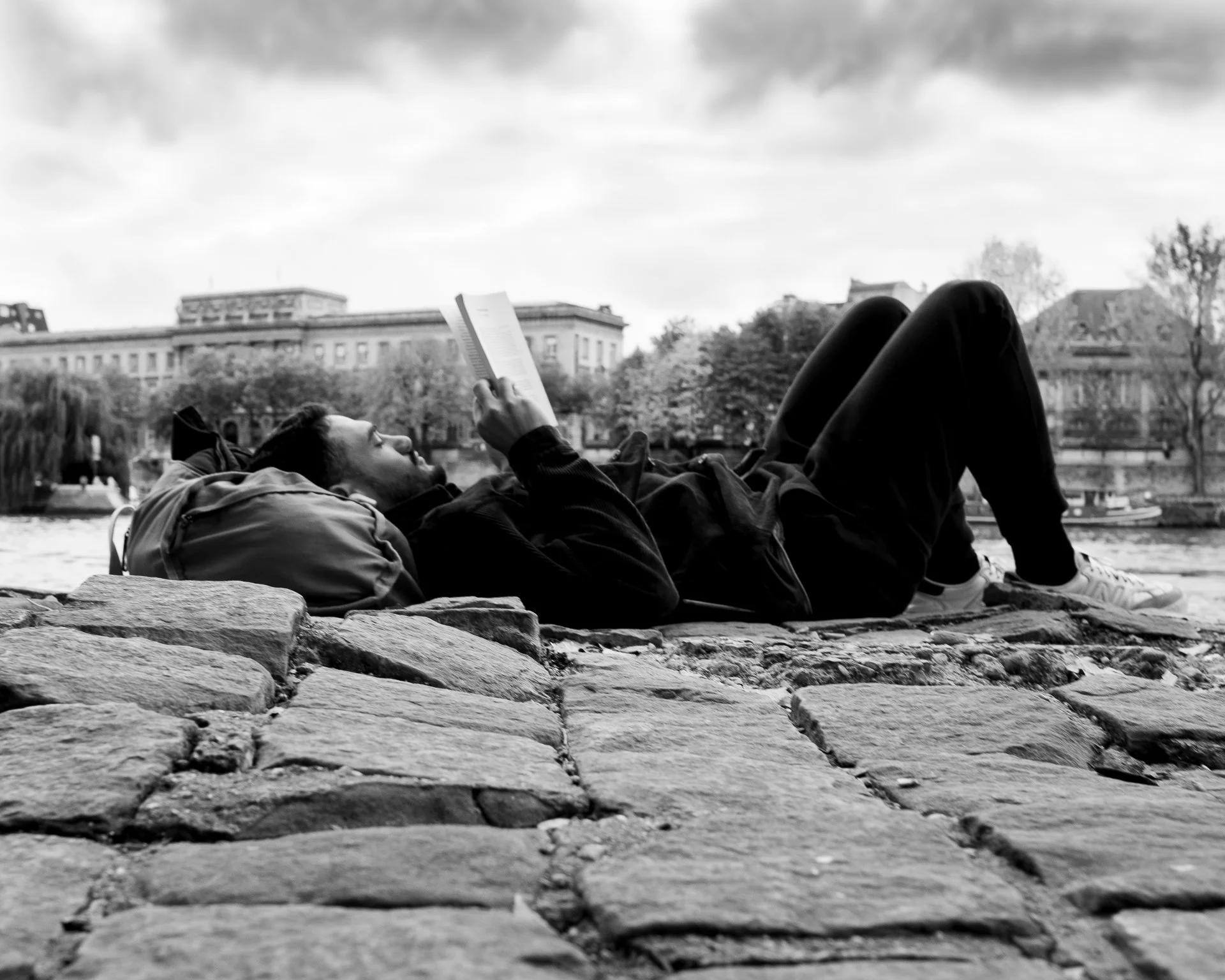
Beginning the Conversation With Your Work
A project begins quietly, long before you can name it. In these early moments, your work is already speaking — not loudly, but consistently. Chapter 3 is where you begin responding to those signals. It is where wandering becomes inquiry, where repetition becomes resonance, and where the first gentle conversation with your work begins.
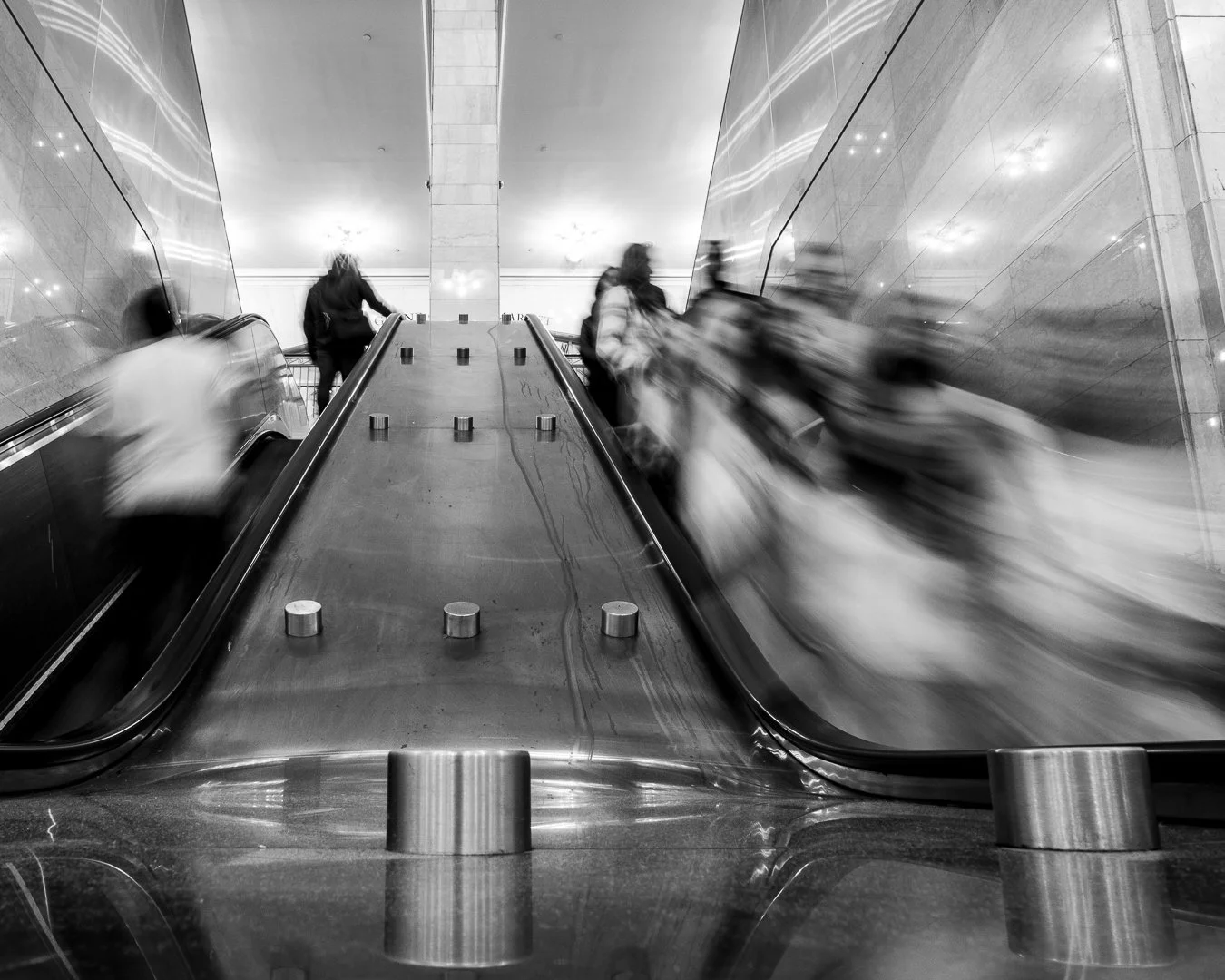
Why Every Street Photographer Can Benefit from Studying Poetry
As street photographers, we often imagine our craft begins with the camera. But long before the shutter, there is the quiet discipline of attention — the same discipline poets and modern flâneurs have practised for generations. Poetry sharpens the instincts we rely on in the street: noticing the small, trusting ambiguity, and reading the emotional weather of a moment. When we learn to see through the eyes of a poet, our photographs change. We become drawn to different gestures, different rhythms, different meanings. This post explores how poetry deepens the flâneur’s way of seeing and enriches the language of street photography.
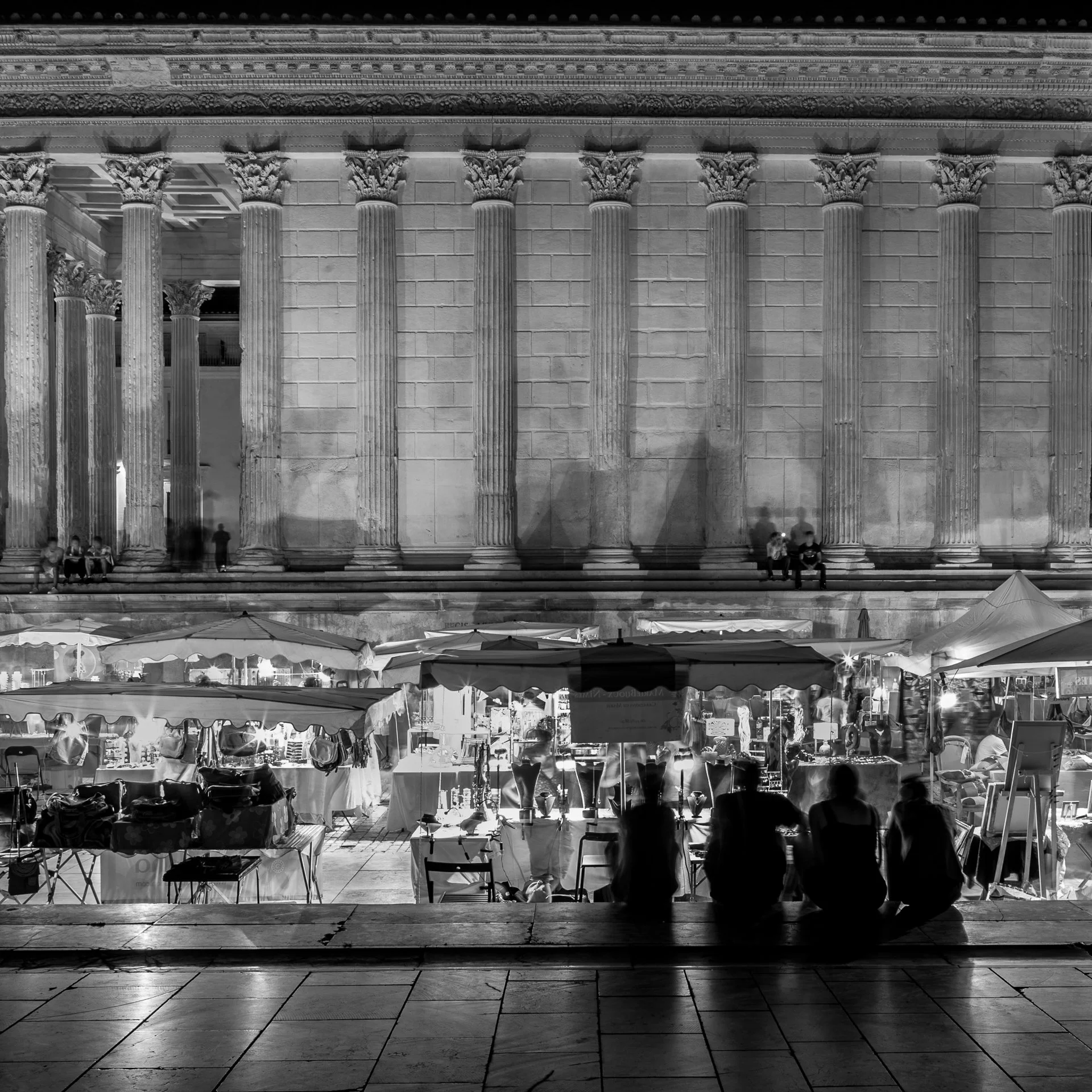
The Emotional Thread Running Through Your Work
Most photographers begin projects long before they realise it. A project doesn’t announce itself with a title or a plan — it begins quietly, in the background of your practice, in the images you make without thinking and the places you return to without explanation. This chapter explores how instinct, emotion, repetition, and visual tendencies reveal what your work is already trying to say. By noticing the patterns beneath your awareness, the emotional threads running through your photographs, and the visual habits that shape your seeing, you begin to recognise the early architecture of a project forming on its own. A project doesn’t need to be long to be meaningful; it simply needs intention, attention, and the willingness to return. This chapter invites you to slow down, look closely, and listen to what your work has been quietly circling — the beginnings of a deeper photographic inquiry already unfolding in your practice.
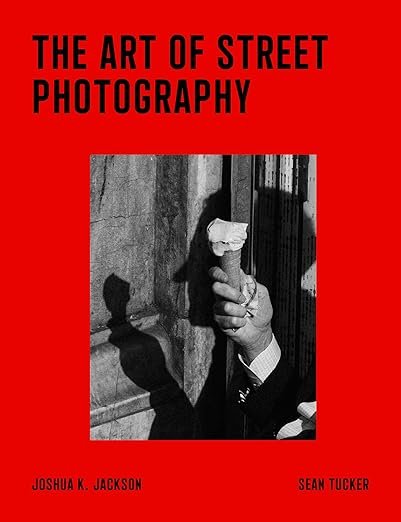
New Book: The Art of Street Photography
There’s a quiet honesty running through The Art of Street Photography, a book that feels less like a manual and more like a recalibration — a reminder that street photography is not a race to collect images, but a practice of attention, patience, and personal meaning. Jackson and Tucker offer a thoughtful, contemporary guide that encourages photographers to slow down, choose their own ethical lines, and treat the street as a canvas for personal expression. Structured as a five‑chapter journey, the book moves from curiosity to intention, from technique to philosophy, and ultimately toward a deeper, more personal way of seeing.
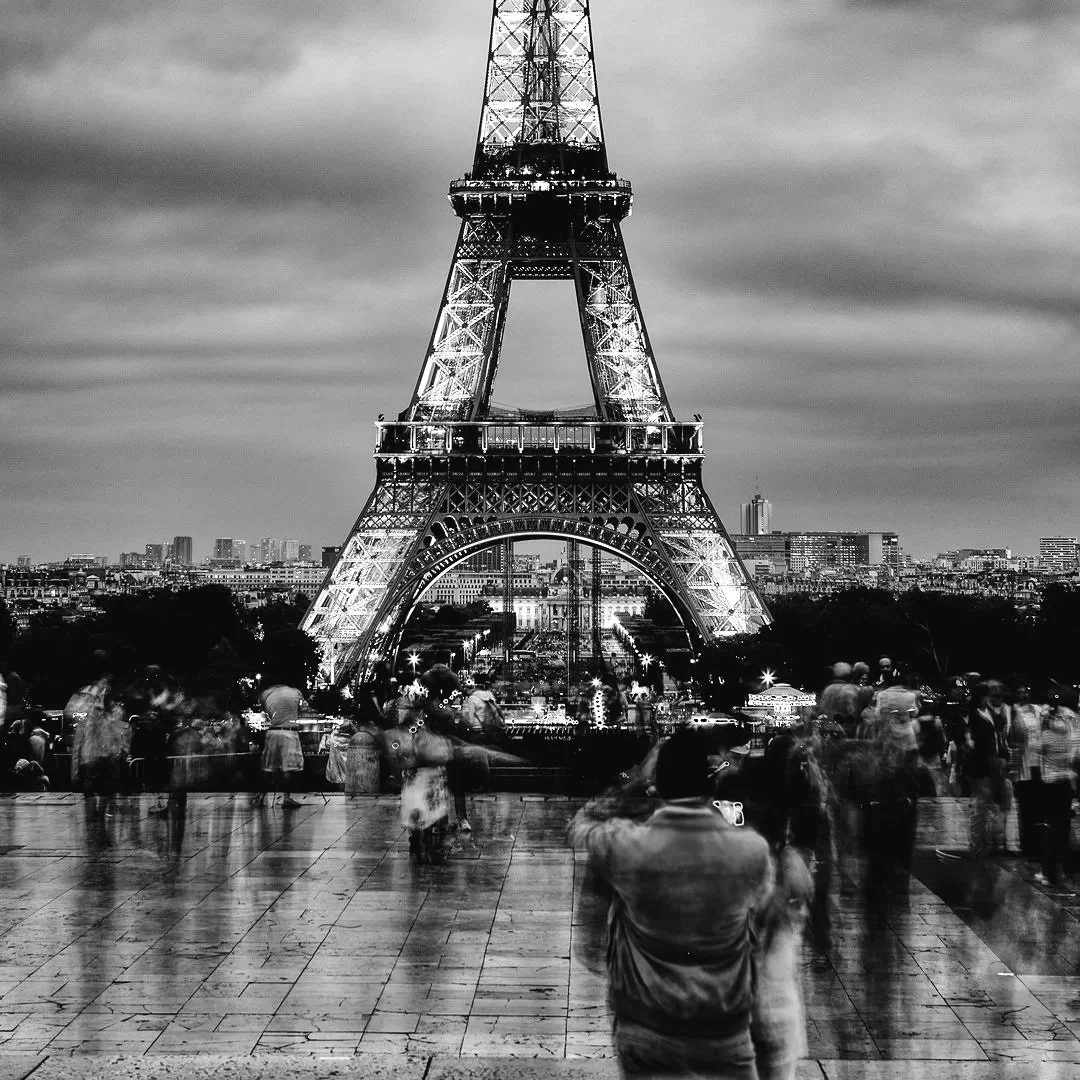
The Early Signals in Your Work
Photographic projects are where wandering begins to take shape. They give direction to curiosity, structure to instinct, and a home for the slow evolution of voice. In this chapter of The Flâneur’s Journal, we explore why projects matter, how they deepen your seeing, and how a single image — even one inserted simply as illustration — can open the door to multiple bodies of work. You don’t need to choose a project yet; this is the beginning of thinking your way into one.
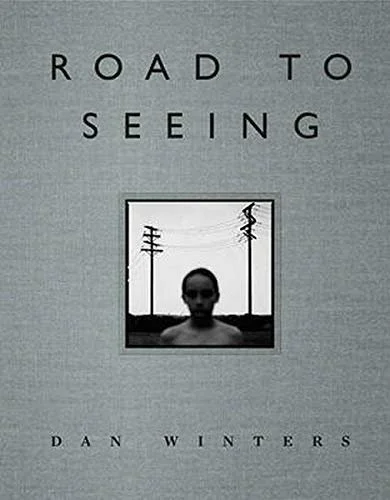
Three Books That Changed How I See: Essential Reading for the Evolving Photographer
In this week’s reflection, I share three books that reshaped not only how I photograph, but how I move through the world. From Dan Winters’ deep artistic lineage, to Joel Meyerowitz’s sense of possibility, to Alexandra Horowitz’s widening of attention, these works form a quiet triangulation for photographers seeking depth, clarity, and a more intentional way of seeing.
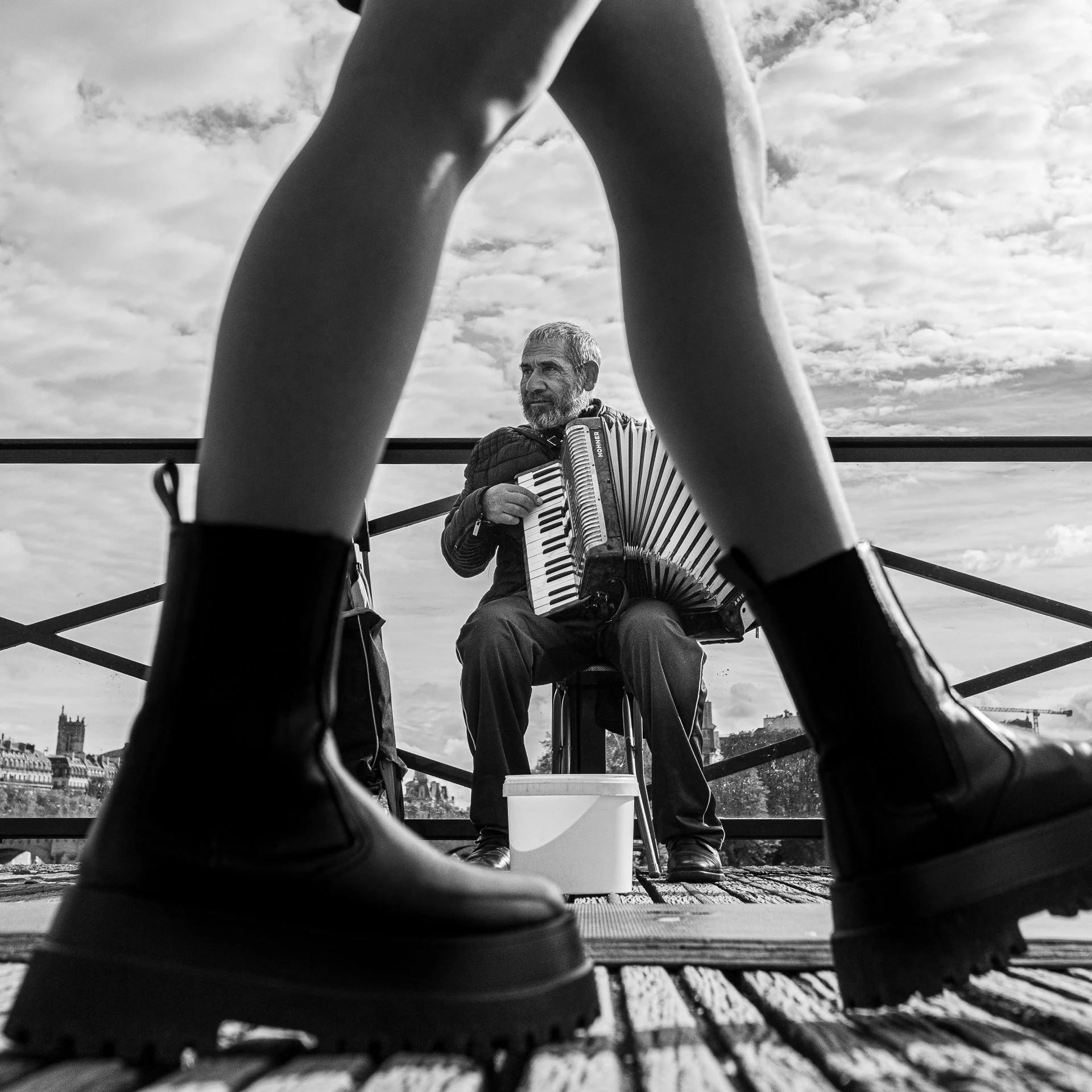
Within the Frame #03: The Intersection of Intention, Chance, and Serendipity
A single stride opened, the city aligned, and for a brief moment the world composed itself. Within the Frame is built on these small acts of attention — the quiet intersections where intention meets chance. This photograph, made on the Pont des Arts, is a study in patience, readiness, and the serendipity that arrives only when we are fully present. What looks like luck is often the result of long practice: knowing your camera, trusting your instincts, and staying open to the fleeting geometry of the street.
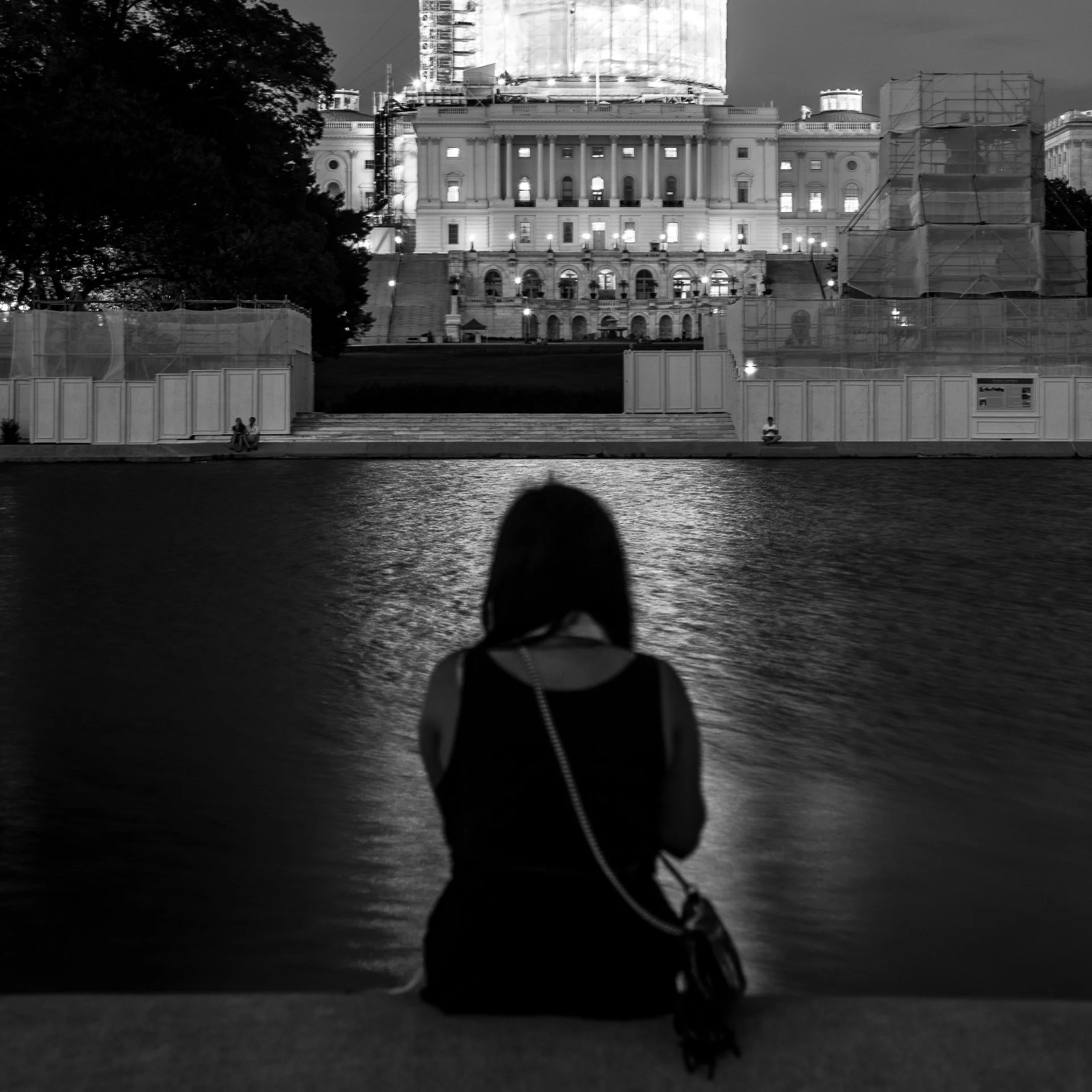
Studying the Work That Shapes You
Creative Growth and the Art of Seeing Part III. A thoughtful, practical guide to studying the photographers who shape you — not through imitation, but through deeper attention. This piece explores how to slow down, study with intention, and choose the artists who stretch your instincts and expand your way of seeing. It’s an invitation to grow with purpose, curiosity, and a clearer understanding of your own evolving style.
Working a Block: Repetition and Variation
A single block can teach you everything you need to know about street photography. Through repetition and variation, the ordinary becomes layered, rhythmic, and alive. This post explores how returning to the same place — at different hours, in different weather, with different intentions — sharpens your instincts, deepens your attention, and turns the street into a quiet collaborator in your creative practice.
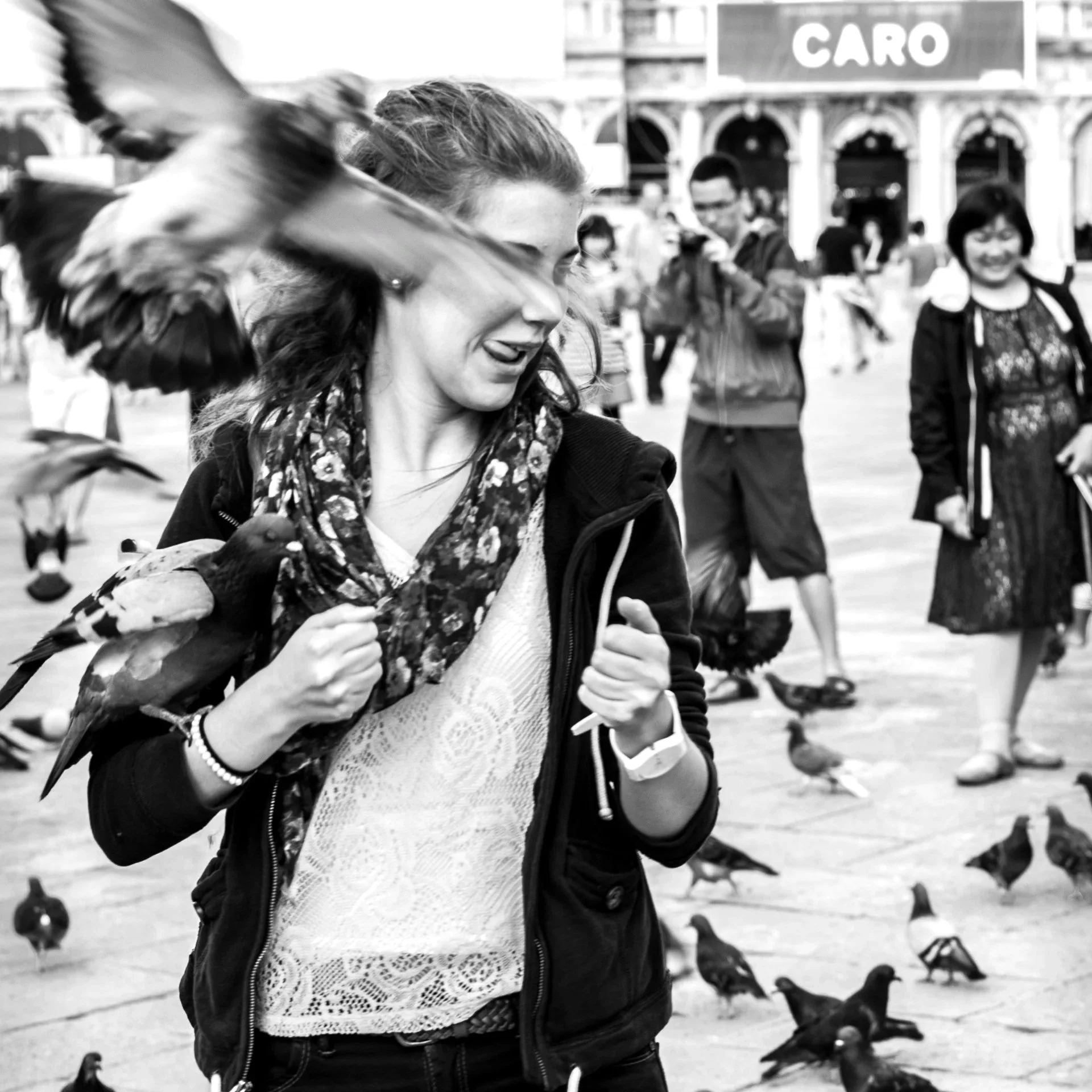
A Working Catalogue of Street Photography Styles
Creative Growth and the Art of Seeing Part II. A curated guide to the major styles shaping contemporary street photography — from classic documentary to abstraction, humour, minimalism, and painterly colour. This catalogue helps you understand the visual languages available to you, recognize the styles that echo your instincts, and identify the one that will stretch your creative growth. It’s a map for photographers who want to deepen their practice, expand their vocabulary, and evolve with intention.
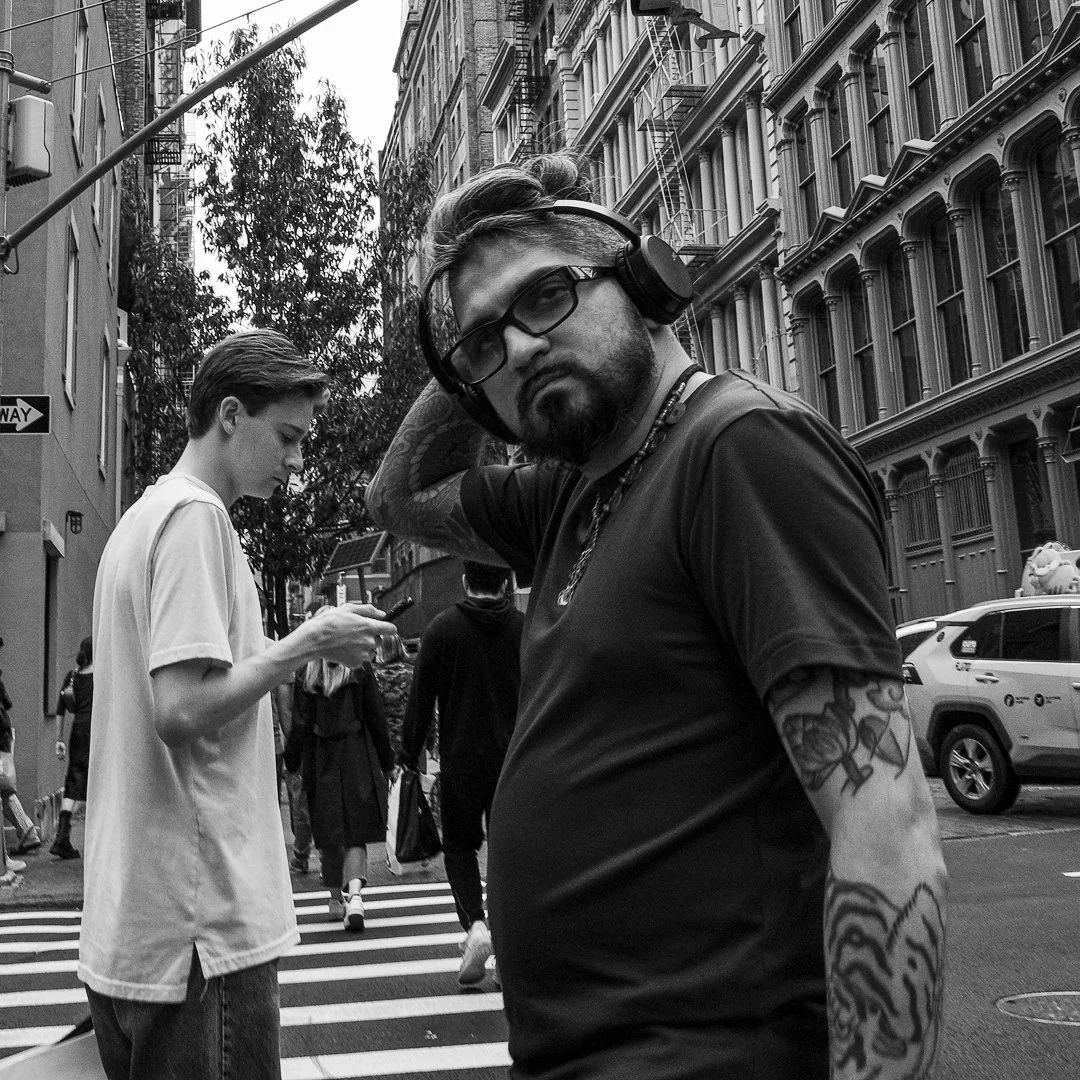
An Evolving Library of Inspiration: Photographers Who Shape My Way of Seeing
Creative Growth and the Art of Seeing Part I. A reflective introduction to the photographers who shape my way of seeing — a living, evolving map of influence that grounds my practice and expands my creative possibilities. This piece invites readers to build their own library of inspiration, study both the masters and contemporary voices, and understand how influence becomes a quiet compass for artistic growth.
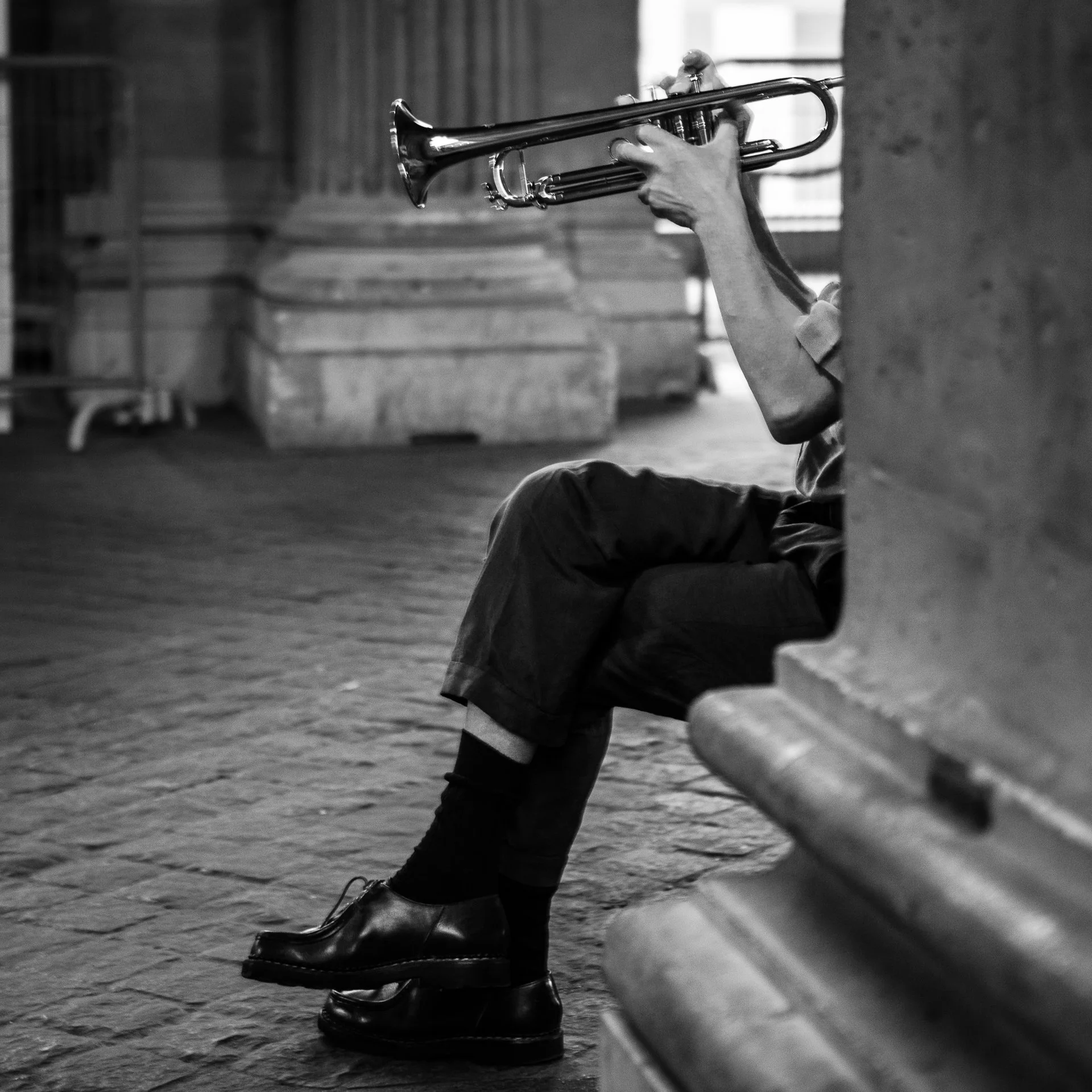
What the Image Keeps Silent
A photograph contains only what is visible: light, posture, texture, and the relationships between elements. Everything else — the photographer’s mood, the backstory, the sounds and sensations of the moment — remains outside the frame. This essay explores the discipline of selecting images that communicate on their own terms, without relying on private knowledge, and why that clarity protects both audience trust and the integrity of the work.
Flâneurs’ Lexicon: Presence vs. Living in the Present
Presence and living in the present may sound interchangeable, but they shape our experience in different ways. Presence is the act of truly showing up — attentive, engaged, and awake to what’s unfolding around you. Living in the present is the mindful practice of staying here, letting go of the pull of past and future. For a street photographer, both matter: presence to see the moment, and living in the present to feel it. This reflection explores the quiet difference between the two and why it matters for anyone who walks the world with intention.

Flâneurs’ Lexicon: Modern Flâneur
The flâneur has wandered through centuries — from the quiet, unhurried observer of 19th‑century Paris to the modern wanderer moving gently through today’s fast, digital world. This post explores how that evolution unfolds: how the classic flâneur’s spirit of curiosity and lingering attention becomes something new in the hands of the contemporary walker, photographer, and street poet. It’s an invitation to understand not just how we move through the streets, but how the streets move through us.

The Street Poets Lexicon
The streets speak in subtleties — a glance, a gesture, a moment that almost slips past. Over time, I’ve gathered the words that help me make sense of these fleeting encounters. This “Vocabulary of the Streets” is a small collection of those ideas: the concepts that shape how I walk, how I see, and how I photograph the world unfolding around me.
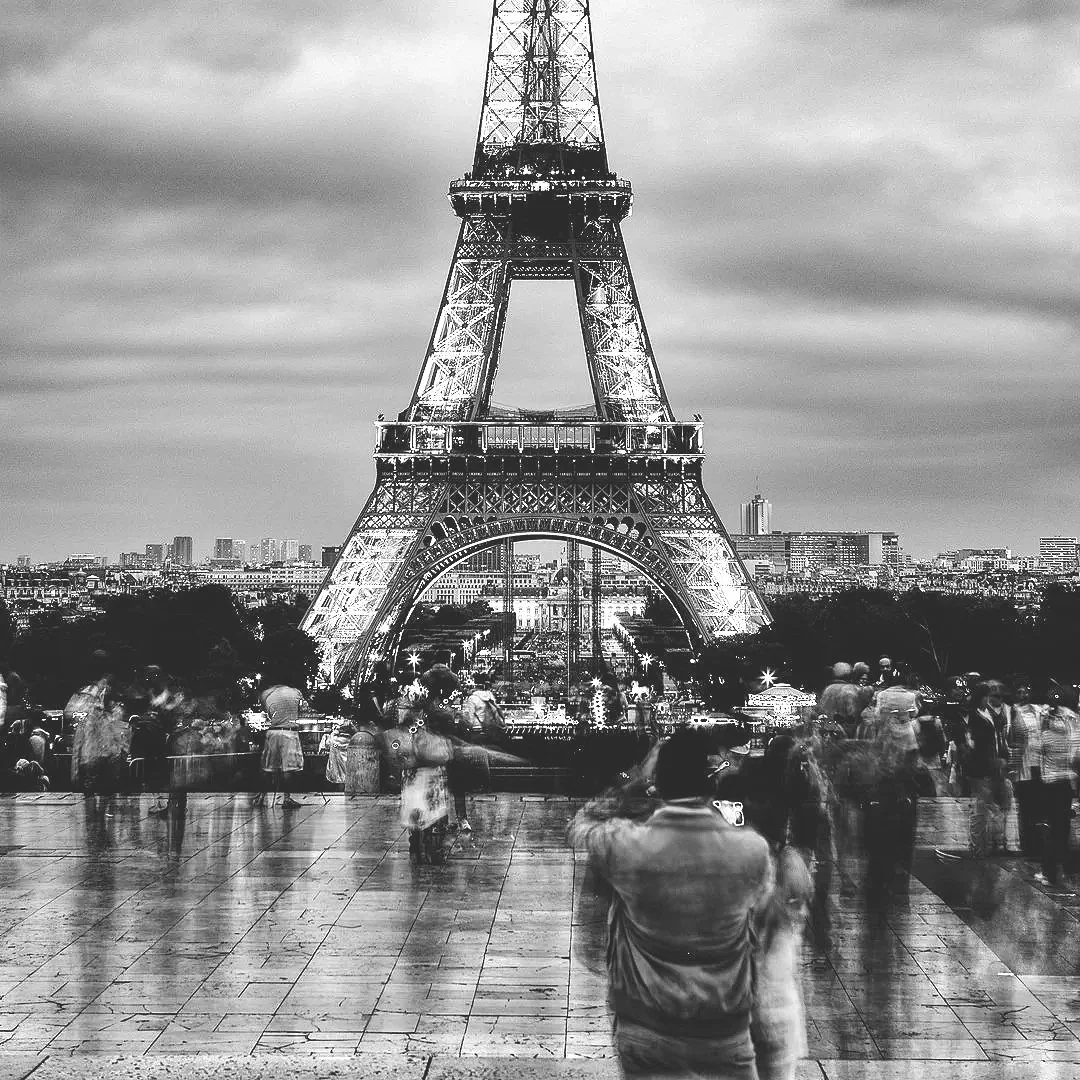
Finding Time to Create Again
A personal reflection on rebuilding a creative life after loss—balancing street photography, poetry, writing, research, and new websites. Introducing Cleroux.com, along with upcoming workshops, community projects, and resources for street photographers.