Three Books That Changed How I See: Essential Reading for the Evolving Photographer
How three very different books transformed the way I look at the world.
Street photography has a way of humbling us. No matter how long we’ve been walking with a camera, the world always finds a way to surprise us — to challenge our assumptions, to remind us that seeing is a lifelong apprenticeship. Over the years, I’ve read countless photography books: some technical, some historical, some beautifully made but forgettable. But three books have stayed with me in a deeper way, shaping not just how I photograph, but how I move through the world: Road to Seeing by Dan Winters, How I Make Photographs by Joel Meyerowitz, and On Looking by Alexandra Horowitz.
Each one offers something different. Each one has earned a place in the small personal canon I recommend without hesitation.
Road to Seeing — Dan Winters
Road to Seeing grounded me first — slower, deeper, and with a kind of gravity that only comes from someone who has spent a lifetime wrestling with what it means to be an artist. Winters’ book is part memoir, part philosophy, part visual archive, as it traces his evolution from curious child to one of the most respected photographers of his generation. His reflections on influence and artistic lineage struck me with particular force, especially his insistence that vision is something inherited, absorbed, and slowly shaped over time. This aligns with the book’s broader exploration of how a photographer carves a path through perseverance, curiosity, and reverence.
Of all his ideas, one line has stayed with me more than any other: “A photograph does not require any information beyond the confines of the frame.” Hearing Winters articulate so clearly a belief I had long held but never quite named sharpened something in me. Outside of fields like journalism, documentary and scientific recording if an image needs explanation to communicate what I intend, then the photograph itself is incomplete. Everything the picture needs to say must be contained within the frame.
Road to Seeing feels like being invited into the private interior of a photographer’s life — the doubts, the long stretches of uncertainty, the quiet moments of clarity that arrive unannounced. It mirrors the way I’ve always approached photography: not as a set of techniques to master, but as a long, unfolding relationship with the world and with oneself. For the intermediate to advanced photographer, this book is a kind of permission slip: permission to take the long road, to trust the slow burn of influence, and to recognise that becoming a photographer is less about arriving somewhere and more about continually opening yourself to the world.
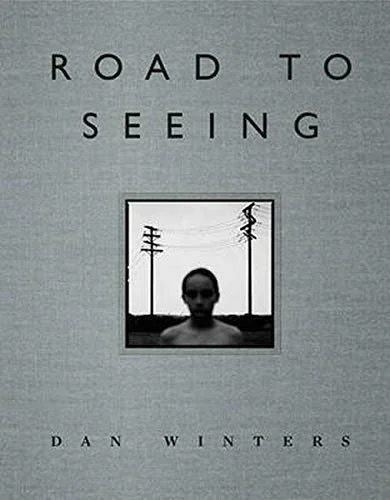
Road to Seeing
Dan Winters (2013)
From the Publisher — Road to Seeing is Dan Winters’ sweeping, deeply personal exploration of what it means to become a photographer. Part memoir, part artistic philosophy, and part visual archive, this beautifully crafted volume traces Winters’ evolution from curious beginner to one of the most respected image‑makers of his generation. Through stories of influence, failure, discipline, and discovery, he reveals the inner life of a photographer — the questions, obsessions, and quiet revelations that shape a way of seeing. Richly illustrated and thoughtfully written, Road to Seeing offers not just inspiration but a profound meditation on attention, craft, and the lifelong journey of learning to look with intention. It is an essential companion for anyone seeking a deeper, more meaningful relationship with their work and the world.
How I Make Photographs — Joel Meyerowitz
Meyerowitz’s How I Make Photographs sits in a different register — lighter in form, but no less meaningful. I first read it during the early days of the 2020 lockdowns, when the streets had fallen strangely quiet. In that stillness, Meyerowitz’s voice felt like a lifeline: distilled, conversational, and grounded in decades of lived experience on the street.
What opened something in me was his notion of watching the world with a sense of possibility. Meyerowitz teaches photography not as a technical exercise but as a way of being — a posture of openness, looseness, and readiness for the unexpected. This aligns with the book’s emphasis on seeing, timing, and working the scene rather than relying on technical formulas.
Reading him during a moment when possibility felt scarce was unexpectedly moving. His wisdom reminded me that possibility is not dependent on crowds or chaos or perfect conditions — it’s a posture of attention. Even the quietest moments hold potential if you’re willing to look.
For the intermediate to advanced street photographer, this book sharpens instinct. It reminds you to stay loose, to stay curious, to trust the moment when the world aligns into something worth framing. It was this book, more than any other at the time, that nudged me back into the rhythm of street photography and reconnected me with the simple pleasure of looking.
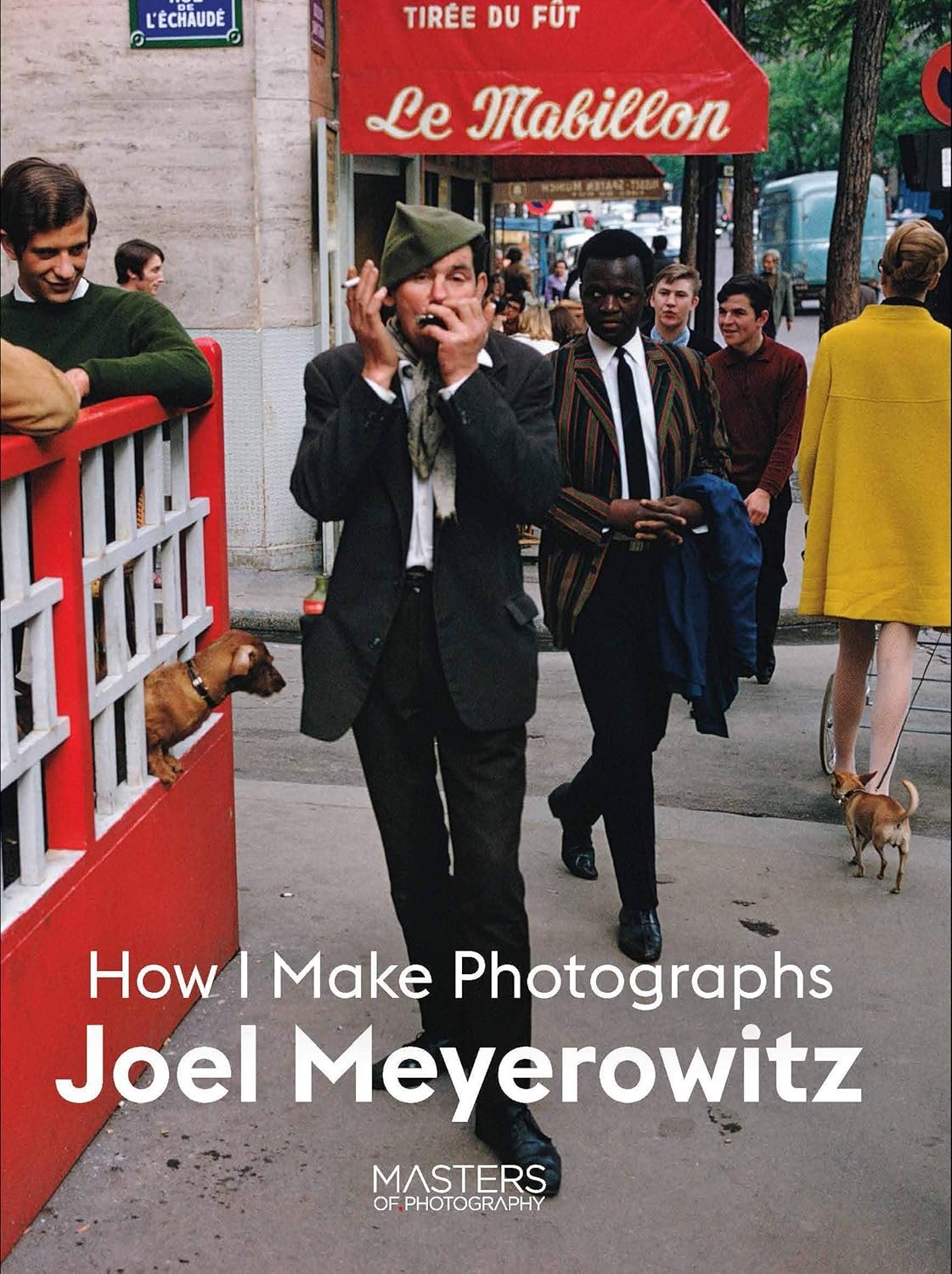
Joel Meyerowitz: How I Make Photographs
Joel Meyerowitz (2020)
From the Publisher — How I Make Photographs offers an intimate window into the mind and working process of legendary street photographer Joel Meyerowitz. In this concise, insightful volume, Meyerowitz distills decades of experience into clear, generous reflections on presence, timing, colour, humour, and the art of noticing. Rather than focusing on technical settings, he reveals the mindset that allows a photographer to move through the world with openness and curiosity, ready for the unexpected alignments that make a moment worth framing. Rich with practical wisdom and grounded in the joy of looking, How I Make Photographs is an essential companion for photographers who want to deepen their instincts, refine their way of seeing, and reconnect with the living pulse of the street.
On Looking — Alexandra Horowitz
And then there is On Looking — not a photography book at all, yet one of the most transformative books on seeing I’ve ever read. Horowitz, a cognitive scientist, walks the same city block eleven times with eleven different experts, each revealing an entirely different world hidden in the familiar. Her work demonstrates how selective attention filters out vast amounts of sensory information and how expertise reshapes perception.
The walk that stayed with me most was her walk with the artist Maira Kalman. Kalman notices the world the way a street photographer does: through gesture, colour, oddity, humour, and the subtle relationships between things. Her way of seeing felt uncannily familiar — spacious, associative, quietly alert — and it reminded me that perception is something shaped, not given.
What surprised me most, though, wasn’t a single chapter but the accumulation of them. Even as someone who thinks of himself as a modern flâneur — someone who pays attention, who walks slowly, who notices — I felt the weight of each chapter pressing gently on my assumptions about how well I actually see. Horowitz’s work expands your perceptual bandwidth, teaching you to slow down, to attend to the overlooked, to recognise the layers of experience happening simultaneously around you.
For street photographers, this is gold. It shifts your awareness in a way no technical manual ever could.
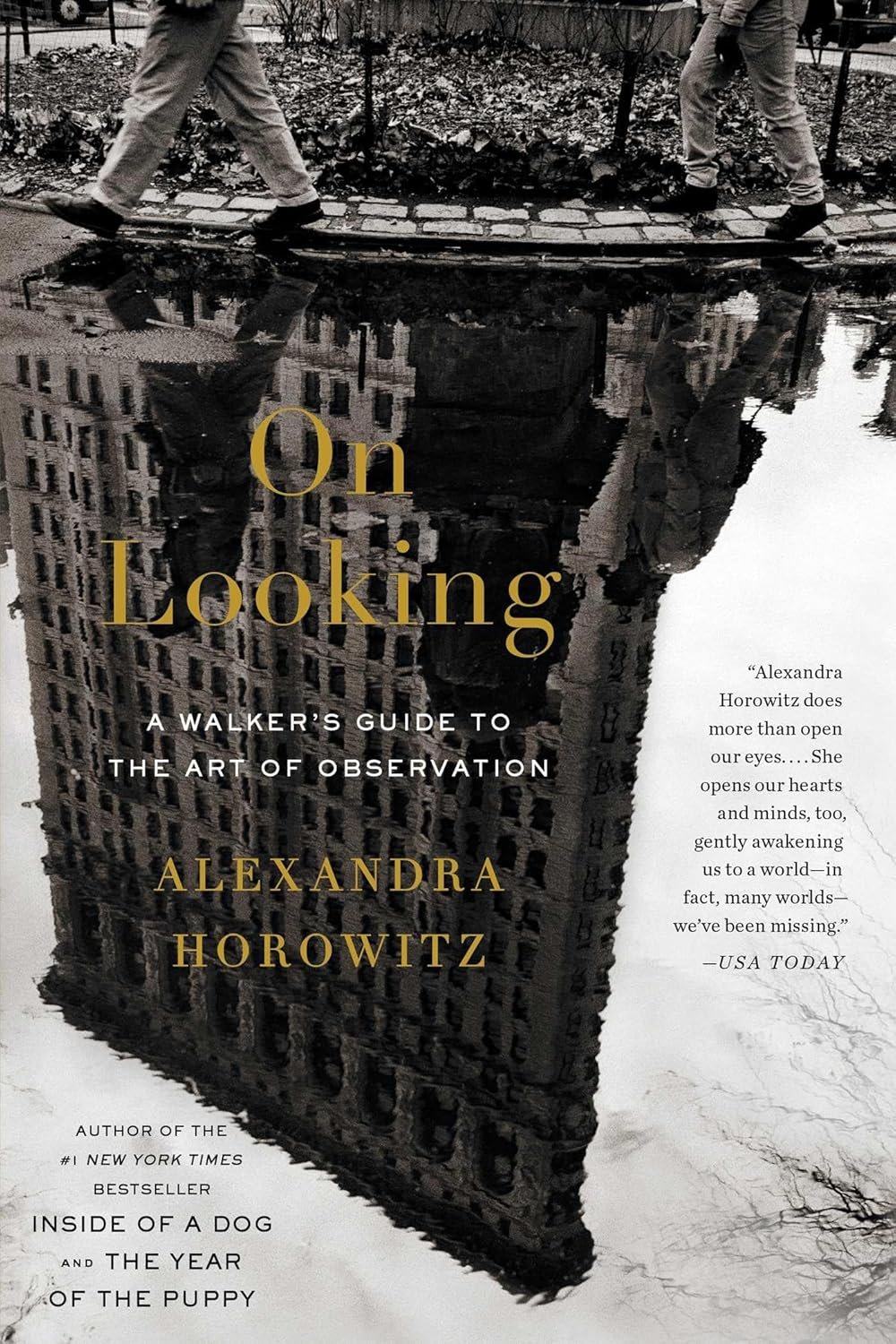
On Looking
Alexandra Horowitz (2013)
From the Publisher — On Looking is Alexandra Horowitz’s captivating exploration of how much of the world we fail to notice — and how profoundly our perception can expand when we learn to look with greater intention. Guided by experts from a range of disciplines, Horowitz walks the same city block again and again, revealing how an artist, a geologist, a naturalist, a sound engineer, and even a child each perceive entirely different worlds within the same space. Through these layered journeys, she uncovers the hidden richness of everyday life and challenges readers to question the limits of their own attention. Insightful, curious, and quietly transformative, On Looking is an essential read for anyone seeking to deepen their awareness of the ordinary — and for photographers, it offers a powerful reminder that the world is always more intricate, more surprising, and more alive than our first glance allows.
A Triangulation for the Evolving Photographer
Together, these three books form a kind of triangulation for photographers who want to grow beyond technique.
Winters helps you understand who you are becoming — the long arc of influence, the slow shaping of vision, the inner life of an artist learning to trust their way of seeing.
Meyerowitz brings you back to the street — teaching you how to stay present in the unfolding moment, how to move with looseness, curiosity, and a sense of possibility.
Horowitz rewires your attention altogether — widening the aperture of your perception so the world becomes richer, stranger, more layered than before.
Each book opens a different door, and together they create a passageway into a deeper, more attentive practice. I recommend all three wholeheartedly — not because they offer easy answers, but because they expand you. They deepen your relationship with the world, and in doing so, deepen your photography.
And as you sit with these three books, I invite you to consider your own lineage of influence — the books that have shaped your way of seeing, the ones that opened something in you or quietly redirected your path. We each carry a personal library of works that changed us. If you feel called to share yours, I’d love to hear which titles have mattered to you and why. It’s always a gift to learn what others are reading, and how those pages have shaped their practice.
In future posts, I’ll introduce you to other books that have shaped my practice. Happy reading.
Coming Up in The Flâneur’s Journal
Next week, we’ll step into Part VI: Challenging Your Visual Logic — How Friction, Constraint, and Deliberate Discomfort Deepen Your Way of Seeing. This final chapter explores how small, intentional disruptions in your practice can open new pathways in your work — not by abandoning your voice, but by expanding its vocabulary and inviting it to grow.
More is unfolding just ahead. Let your practice open at its own pace, and return with a renewed sense of curiosity, courage, and the quiet willingness to evolve.