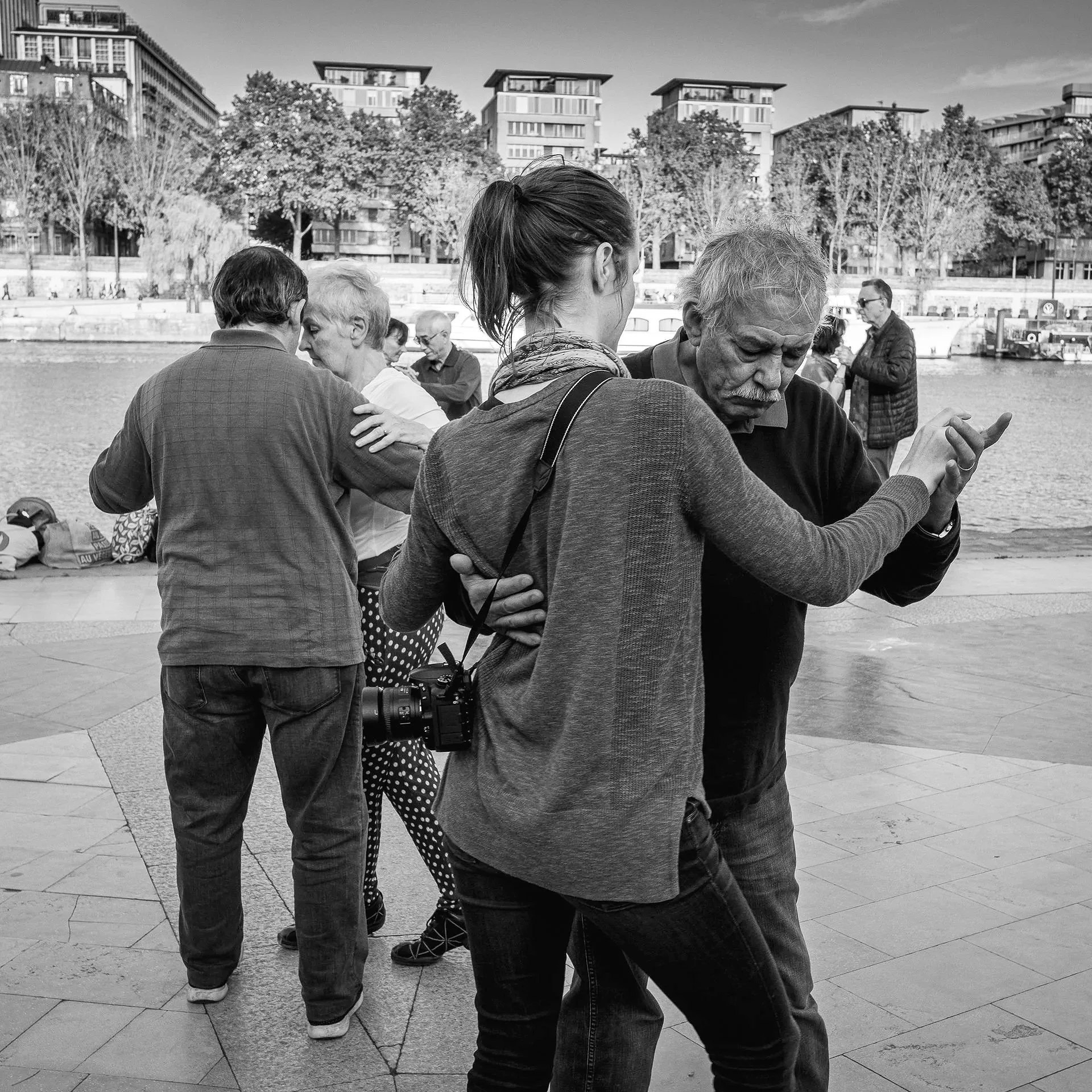
The Yoga Sutras for Photographers
The Yoga Sutras remind us that photography begins long before the shutter. Presence is not a genre; it is a way of meeting the world with steadiness, breath, and ethical attention. When we translate the eight limbs of Yoga into the lived practice of flânerie, we discover a quieter, more intentional way of seeing — one that deepens our relationship with the street, with our projects, and with ourselves.
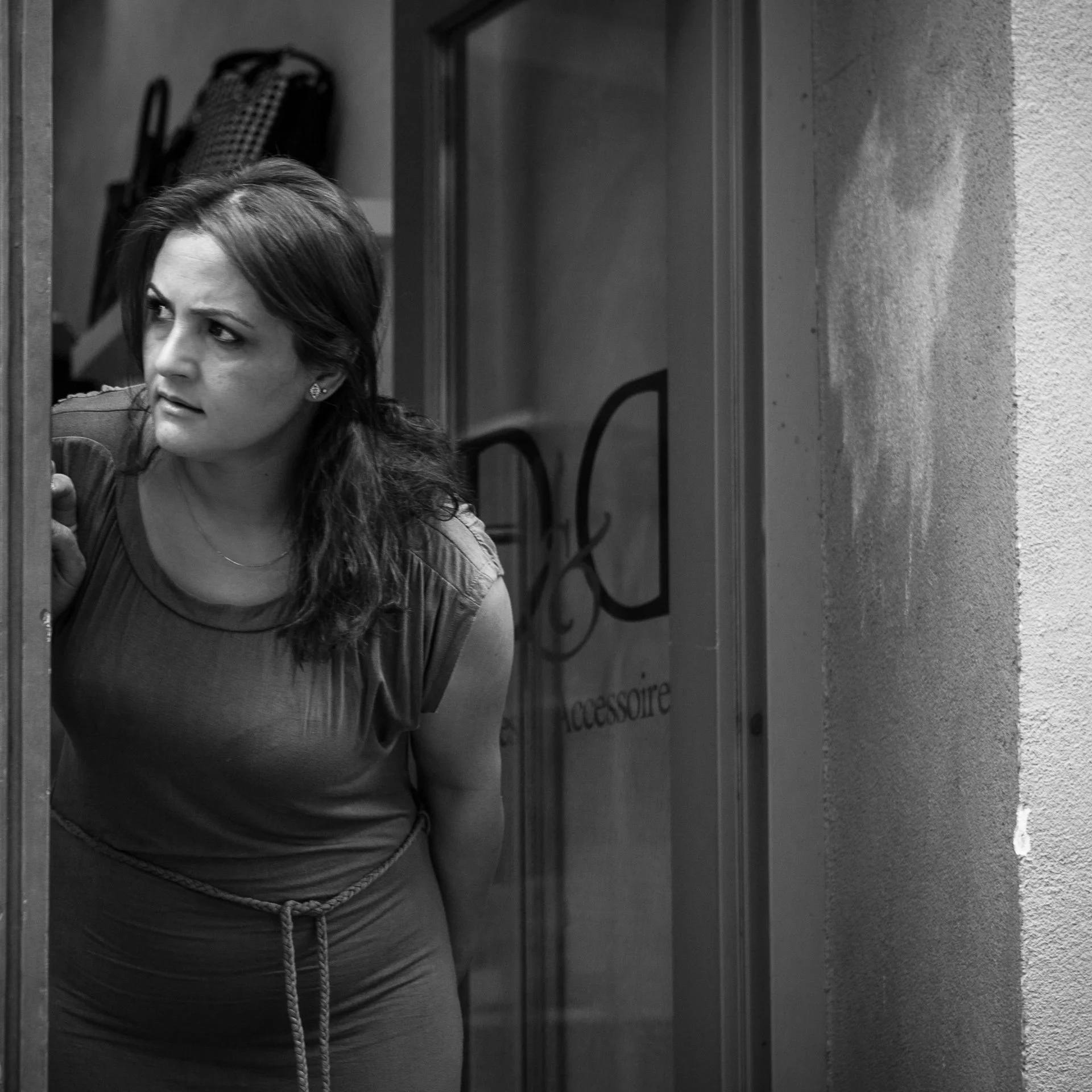
One Lens — One Month
A single lens for a month teaches you to slow down and to commit. You begin to understand distance and scale with a kind of bodily certainty. You learn how your chosen focal length interprets space: how it stretches, compresses, reveals, and withholds. Over time, this familiarity becomes a quiet confidence — a sense that you can walk into any situation and already know how your frame will behave. Constraint clarifies; attention deepens; your seeing becomes steadier, quieter, truer.
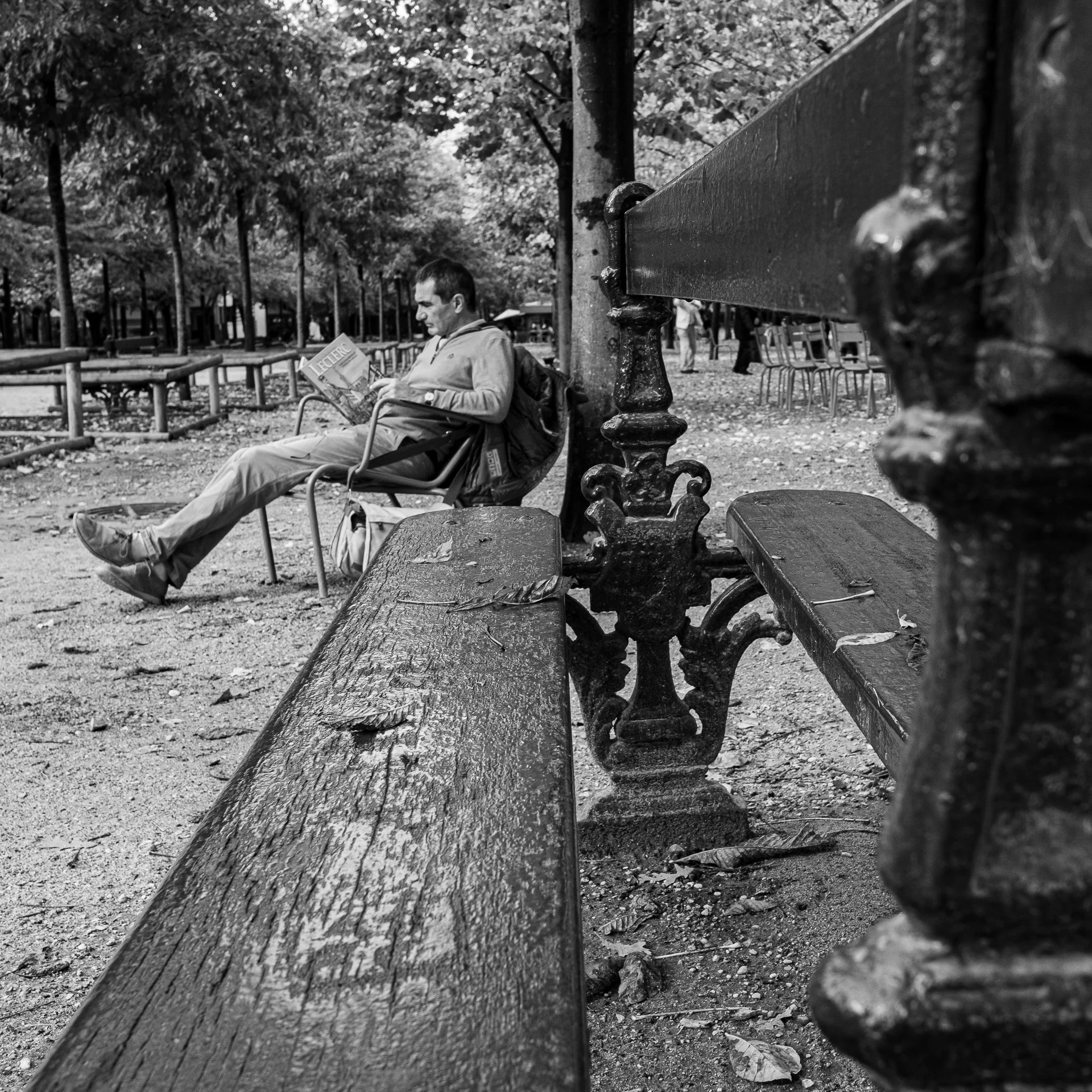
Within the Frame #04: Reading in the Jardin du Luxembourg
A quiet moment in the Jardin du Luxembourg reveals how early images shape the beginning of a long‑form project. A man reading alone becomes a small but meaningful signal — a gesture toward solitude, public life, and the cultural architecture of attention. This photograph may never become a final piece, but its quiet gravitational pull helps define the early conversation, pointing gently toward the themes that will matter later.
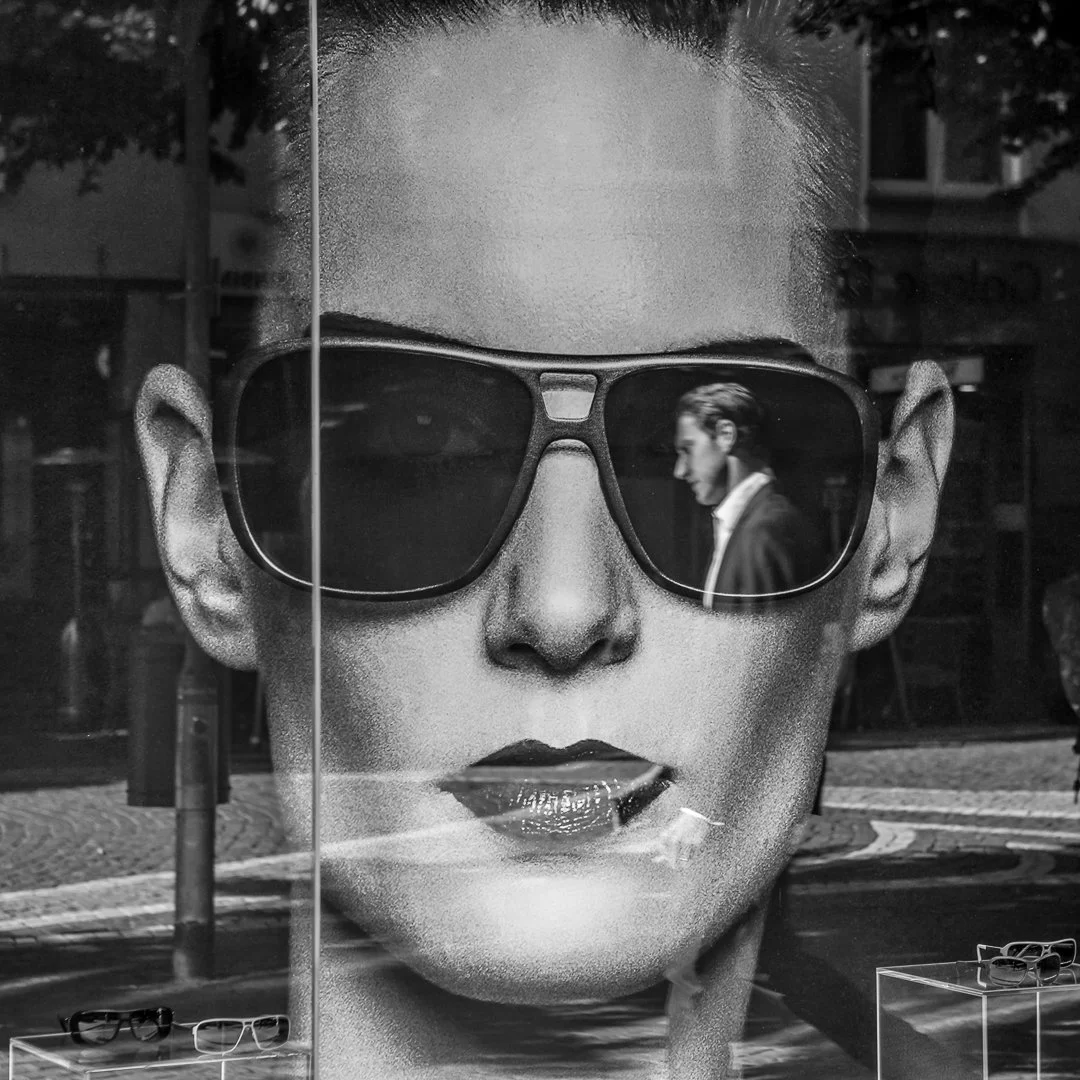
The Architecture of a Photographic Project
A photographic project is more than a collection of images — it is a way of thinking, a way of noticing, and a way of returning. Projects give shape to your curiosity. They deepen your attention. They help you understand not only what you photograph, but why you photograph it. At its core, this series is about learning to recognise the early signals in your work — the moods, repetitions, atmospheres, and questions that quietly gather beneath the surface. A project does not begin with a subject; it begins with a feeling.
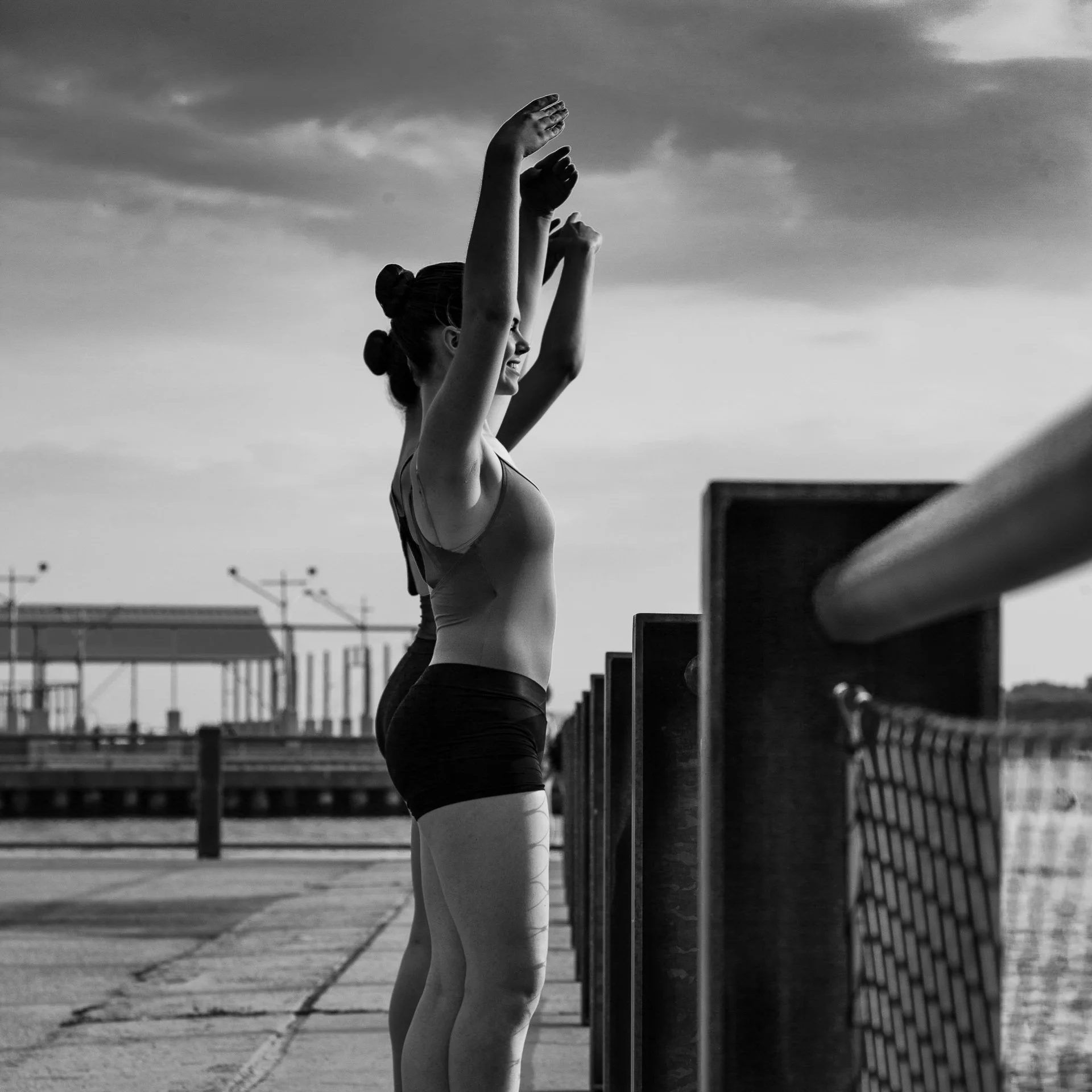
Yoga on the Street: How Flânerie Became My Practice of Presence
A quiet kinship lives between Yoga and flânerie — not in postures or performance, but in the discipline of presence. Street photography begins in the body: the pace of the walk, the softness of the gaze, the breath that steadies attention. What emerges is a practice of non‑striving, ethical presence, and inner stillness inside motion. This piece traces how wandering the city becomes a form of Yoga — and offers a gentle sequence designed specifically for the bodies of street photographers.
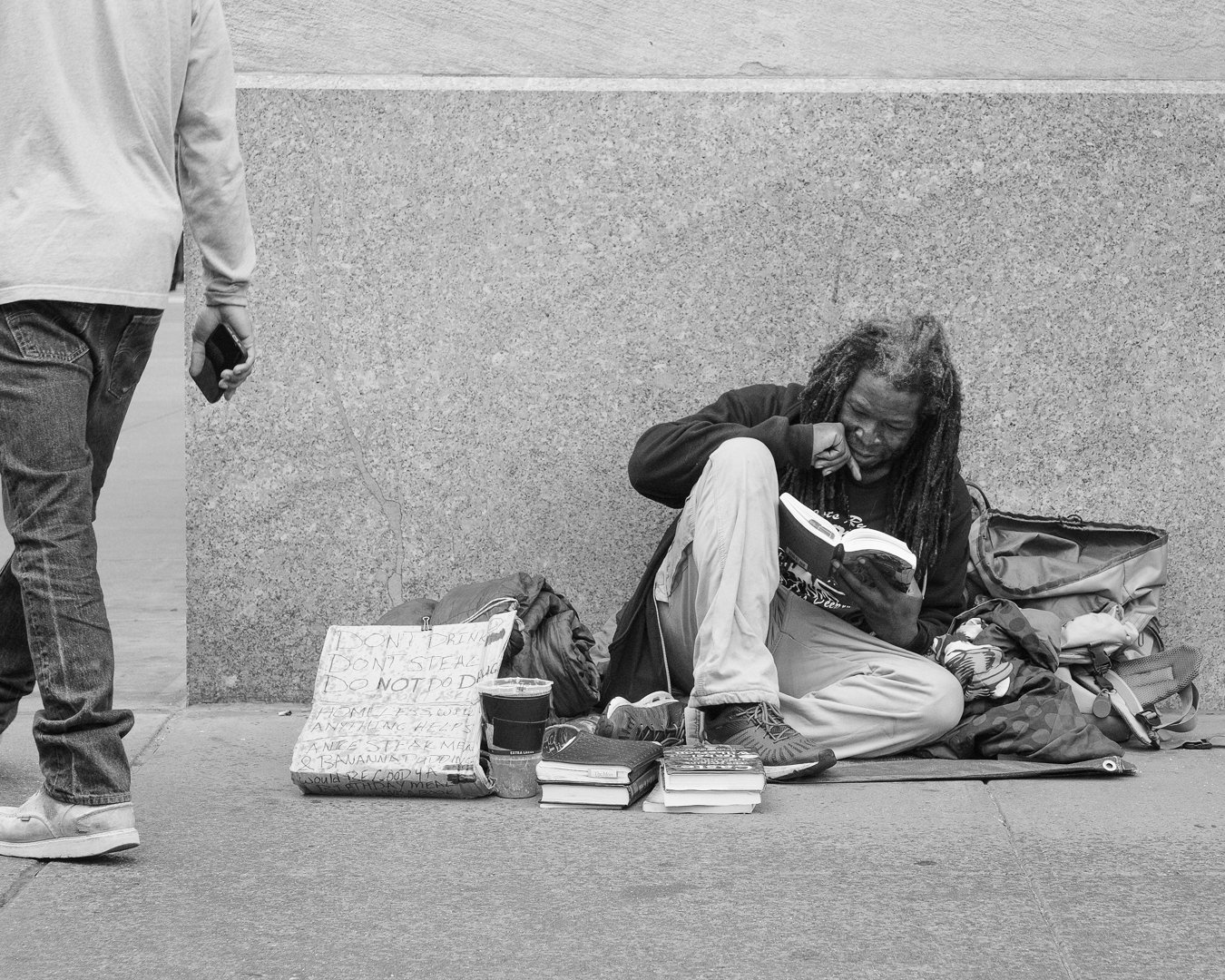
Challenging Your Visual Logic
Creative Growth and the Art of Seeing Part VI — A photographer’s evolution doesn’t end with clarity — it deepens when clarity is tested. In this final chapter of Creative Growth and the Art of Seeing, I explore how friction, constraint, and deliberate discomfort can expand your visual vocabulary and open new pathways in your work. Growth often begins where comfort ends; when you gently unsettle your habits, your seeing becomes more spacious, more curious, and more fully your own.
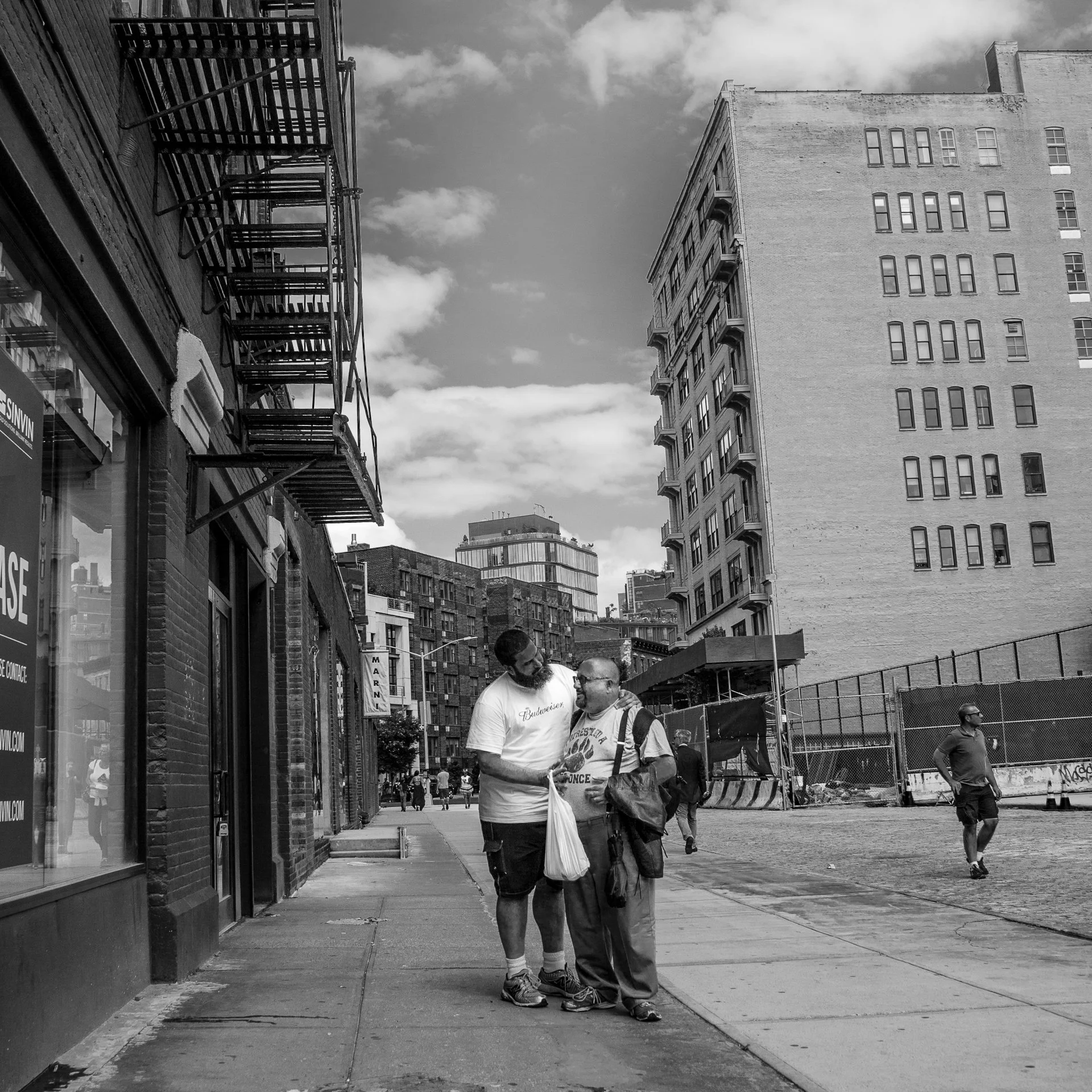
The Courage to Look: On Fear in Street Photography
Street photography stirs a constellation of human fears — confrontation, judgment, intrusion, legality, ethics, visibility, and the quiet uncertainty of intention. This essay explores why these fears arise, how they shape our presence in public space, and how courage emerges not from fearlessness, but from the willingness to look with openness, sensitivity, and purpose.
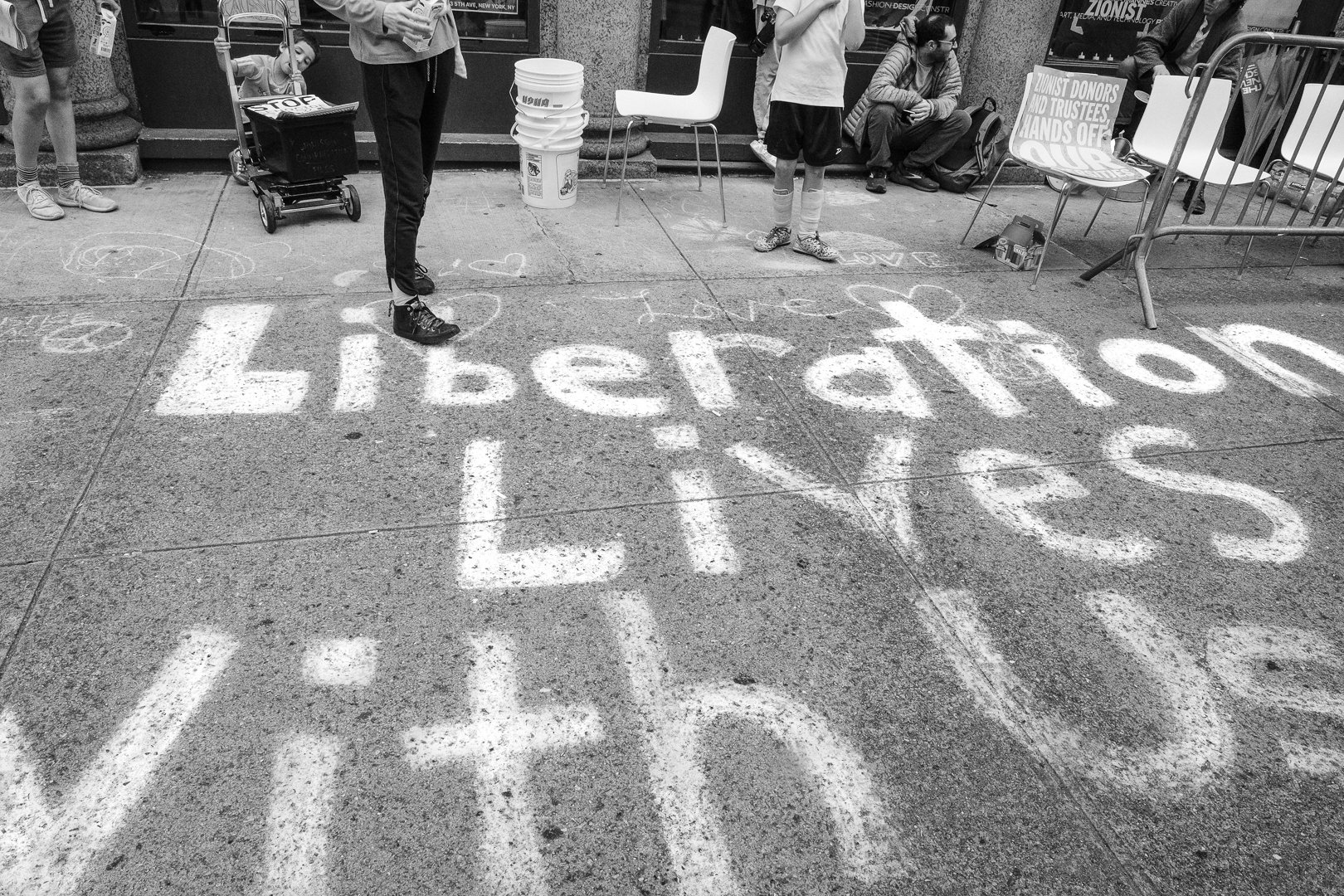
The Evolving Photographer
The Evolving Photographer is a long‑form journey toward artistic clarity — a space for photographers who already know the technical basics and are ready to grow in intention, vision, and depth of seeing. This introduction lays out the philosophy behind the project and the learning series that will guide your evolution from technical proficiency to expressive authorship.
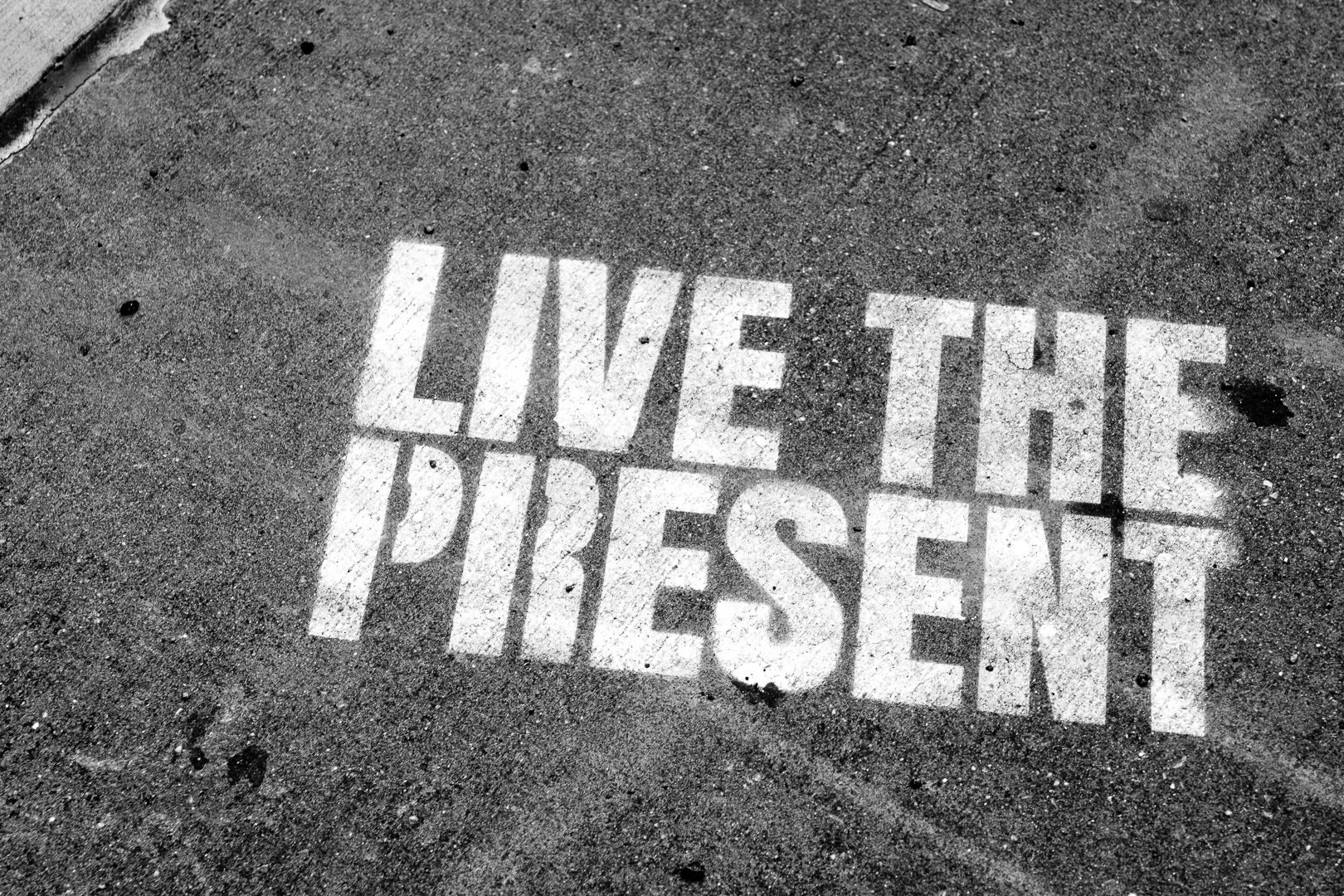
Photograph Without a Plan: Live in the Present - Part 2 of 2
The street has a way of pulling you back into the present—into the breath, the light, the fleeting gestures most people rush past. What I’ve learned, walking as a young flâneur and later as a photographer, is that presence isn’t something you force. It’s something the streets teach you, moment by moment, if you’re willing to slow down, listen with your eyes, and let the world unfold on its own terms.
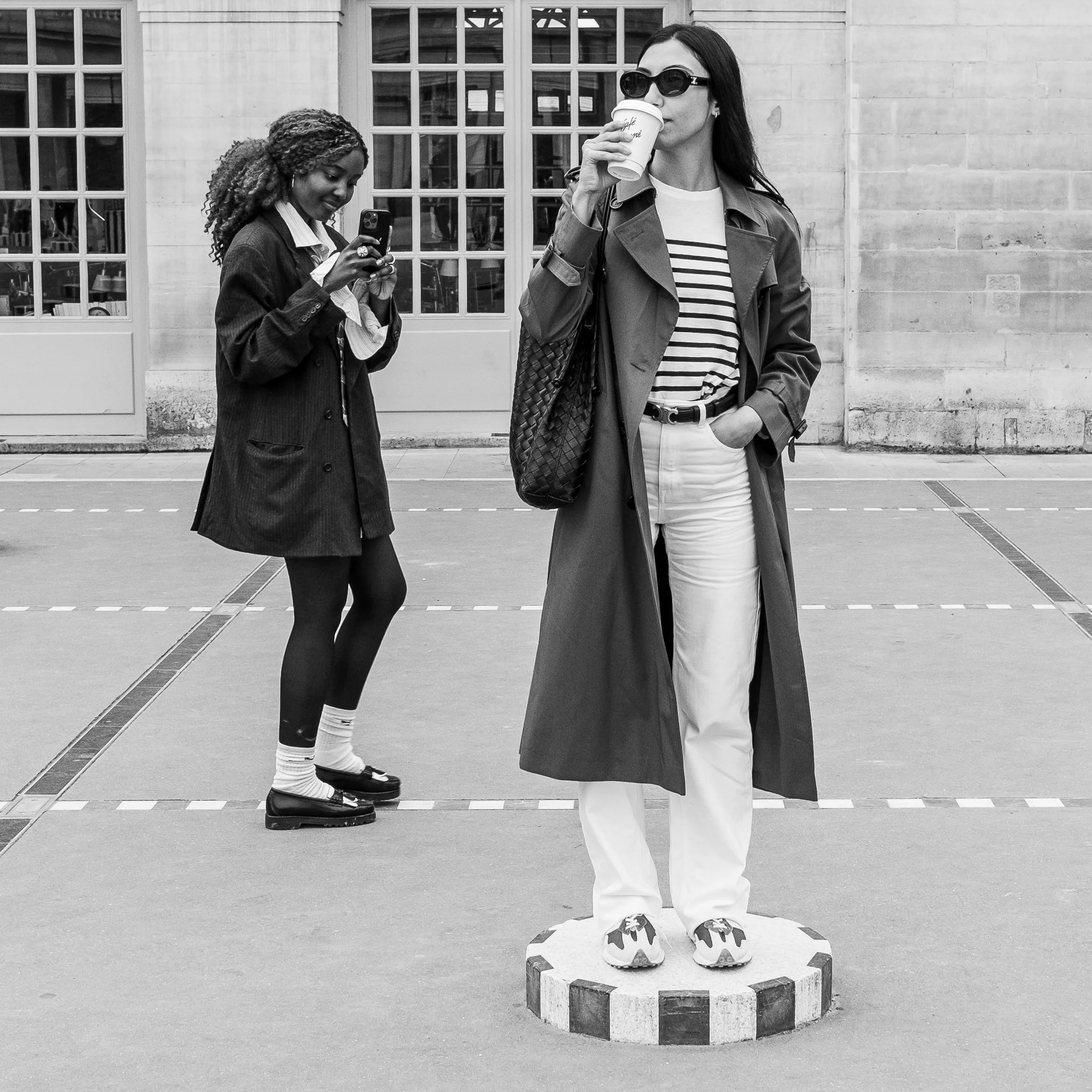
Photograph Without a Plan: Embracing Serendipity on the Streets - Part 1 of 2
To photograph without a plan is to surrender to the rhythm of the street. It’s a practice of trust—trusting your instincts, trusting the city, trusting that something unexpected will rise to meet you if you simply stay open. When you let go of intention and follow curiosity instead, serendipity becomes your quiet collaborator. The moments you could never script are often the ones that stay with you the longest. Trust the process!