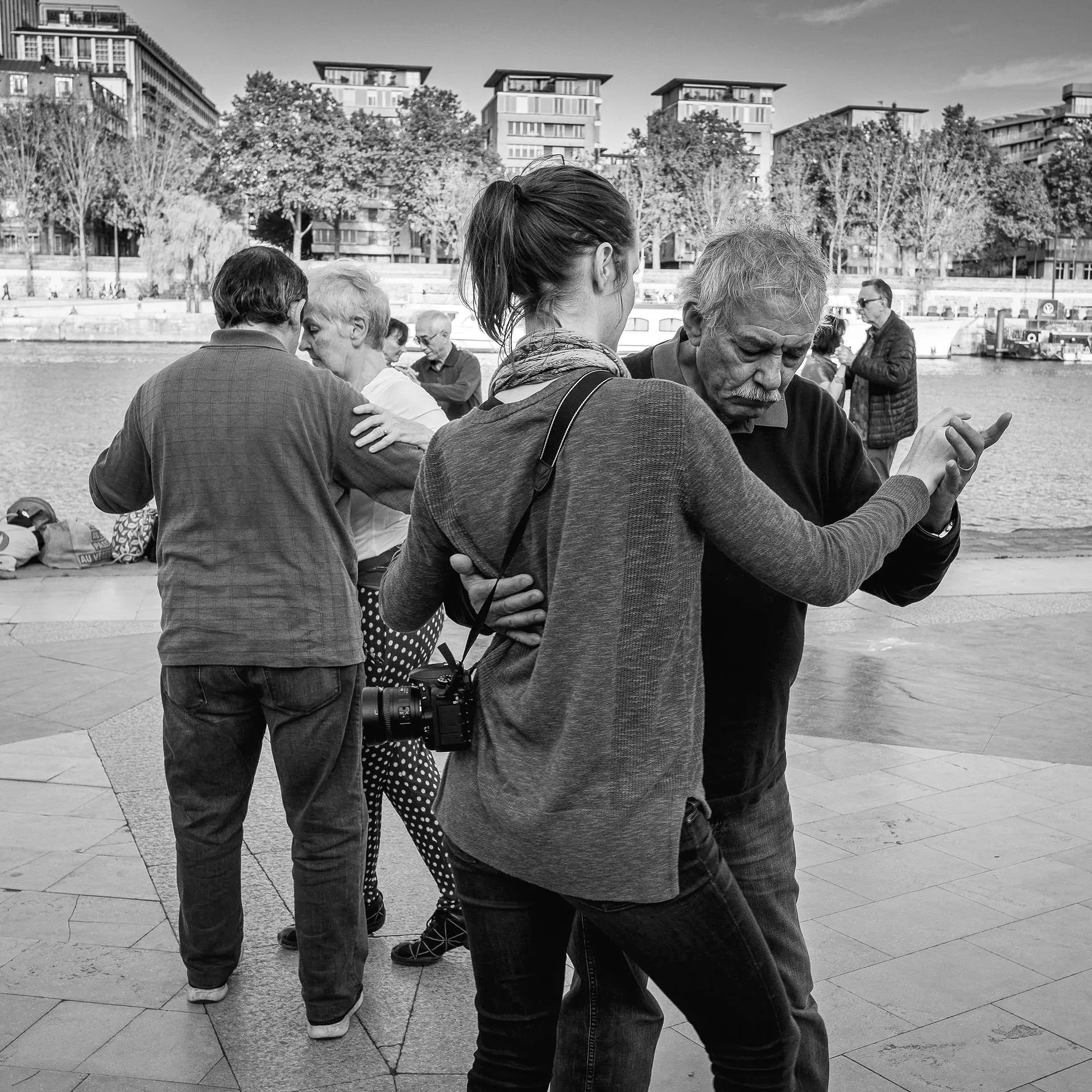
The Yoga Sutras for Photographers
The Yoga Sutras remind us that photography begins long before the shutter. Presence is not a genre; it is a way of meeting the world with steadiness, breath, and ethical attention. When we translate the eight limbs of Yoga into the lived practice of flânerie, we discover a quieter, more intentional way of seeing — one that deepens our relationship with the street, with our projects, and with ourselves.

Stepping Into the Middle of the Work
Every project has a moment when it stops feeling like a loose constellation and begins to feel like a place — a terrain you can walk into, a space with its own gravity, its own questions, its own emotional weather. The early signals have gathered. The architecture has gently begun to take form. Something in the work feels more insistent now, more anchored, more willing to grow.
This is the moment when you step into the middle of the work, not with certainty, not with a plan, but with a deeper kind of attention. The middle of a project is where curiosity becomes commitment, where the emotional centre clarifies, and where the work begins to ask more of you than simple noticing.
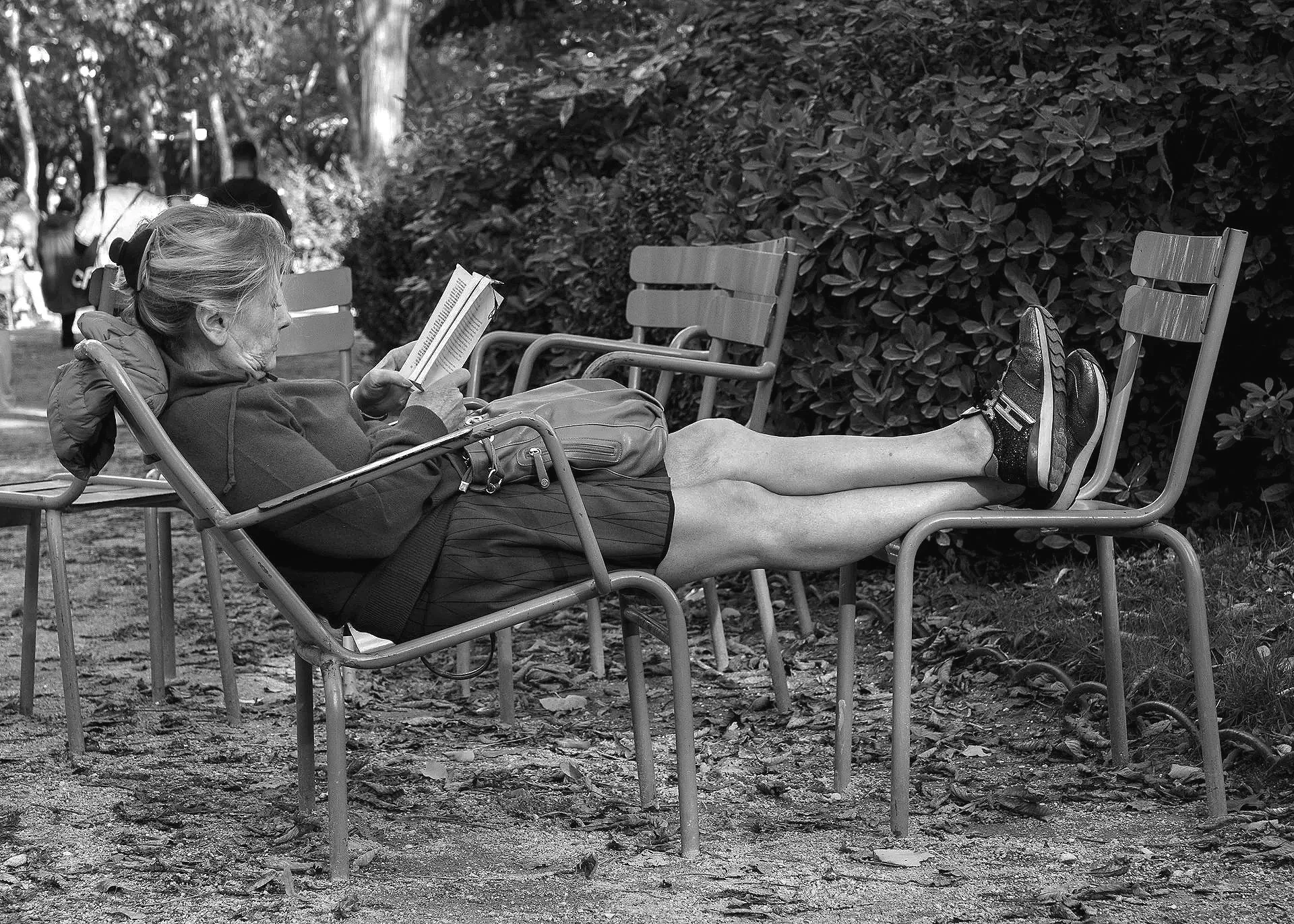
The Architecture of a Project - Early Stages
A project begins quietly — long before you name it, long before you understand it, long before you decide what it is “about.” In the earliest stages, the work feels like a soft gathering of repetitions: a mood that keeps returning, a gesture that feels familiar, a visual tendency that follows you from street to street. These signals begin as fragments, but eventually they start leaning toward one another. They form a loose constellation — a gentle, early form with project possibilities.
This chapter explores how to recognise that early form without forcing it, how to build just enough structure for the work to breathe, and how to stay open long enough for a project to reveal what it is becoming.

The Emotional Thread Running Through Your Work
Most photographers begin projects long before they realise it. A project doesn’t announce itself with a title or a plan — it begins quietly, in the background of your practice, in the images you make without thinking and the places you return to without explanation. This chapter explores how instinct, emotion, repetition, and visual tendencies reveal what your work is already trying to say. By noticing the patterns beneath your awareness, the emotional threads running through your photographs, and the visual habits that shape your seeing, you begin to recognise the early architecture of a project forming on its own. A project doesn’t need to be long to be meaningful; it simply needs intention, attention, and the willingness to return. This chapter invites you to slow down, look closely, and listen to what your work has been quietly circling — the beginnings of a deeper photographic inquiry already unfolding in your practice.