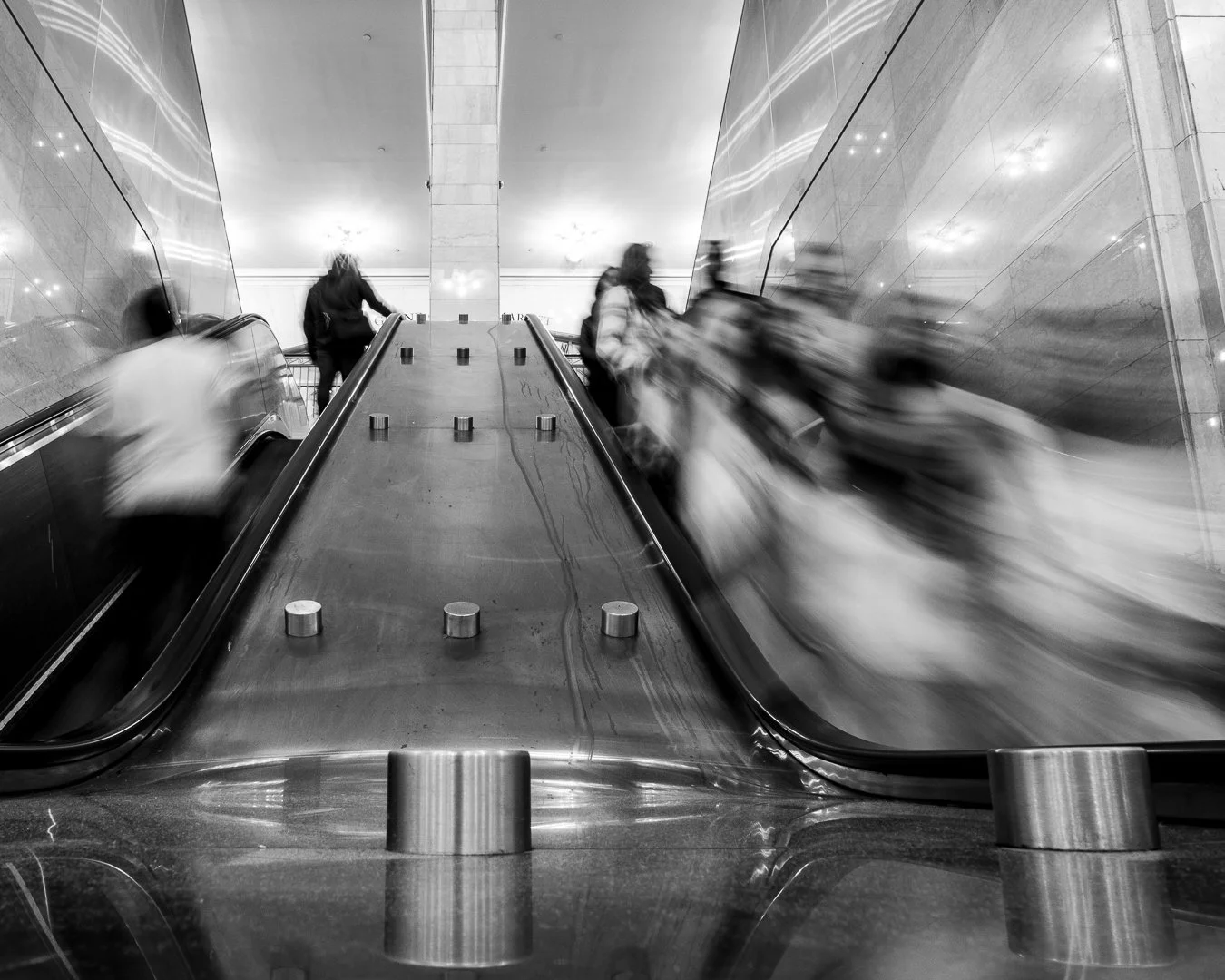
Why Every Street Photographer Can Benefit from Studying Poetry
As street photographers, we often imagine our craft begins with the camera. But long before the shutter, there is the quiet discipline of attention — the same discipline poets and modern flâneurs have practised for generations. Poetry sharpens the instincts we rely on in the street: noticing the small, trusting ambiguity, and reading the emotional weather of a moment. When we learn to see through the eyes of a poet, our photographs change. We become drawn to different gestures, different rhythms, different meanings. This post explores how poetry deepens the flâneur’s way of seeing and enriches the language of street photography.
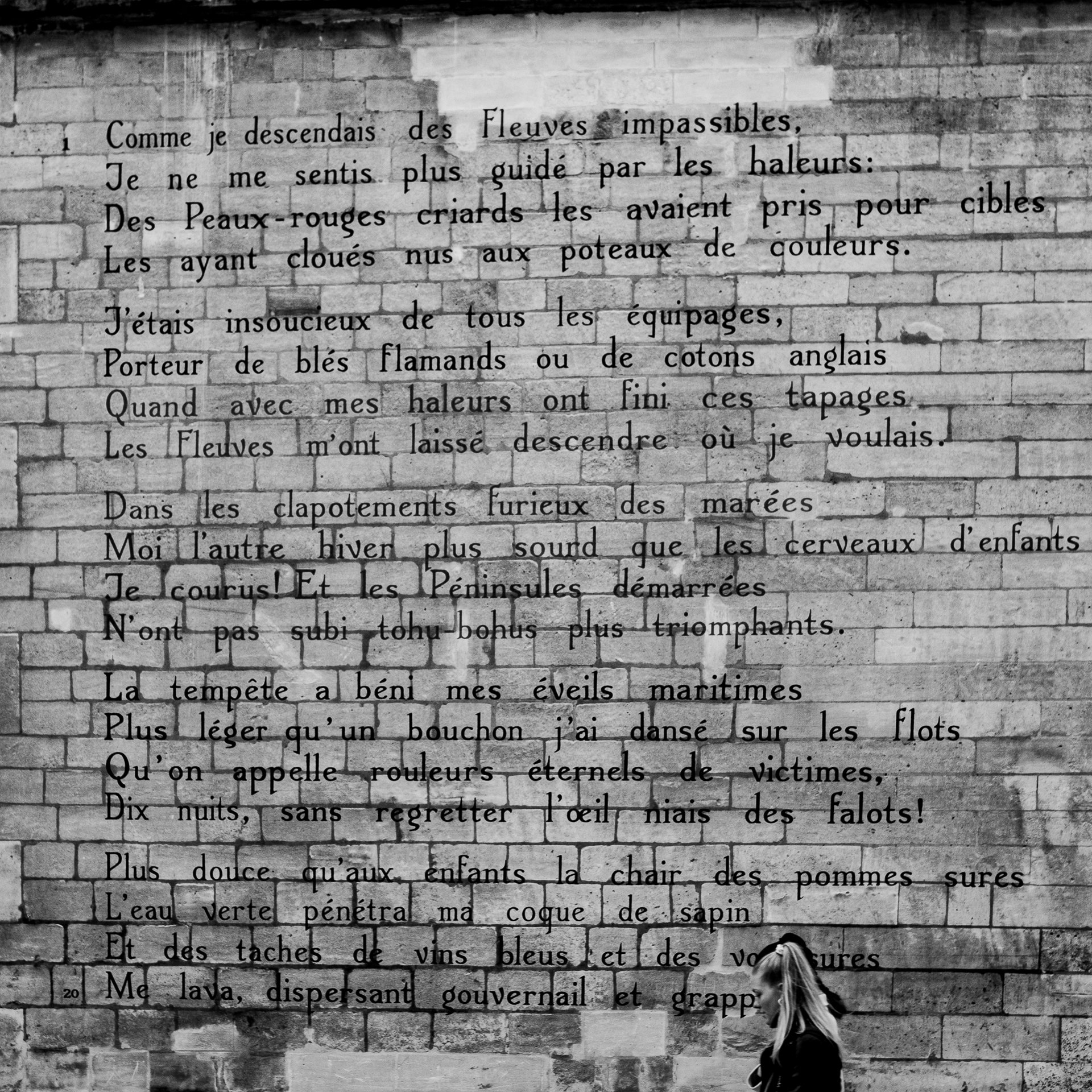
Street Poetry: A Practice of Noticing
Street Poetry is older than the term and broader than any single definition. Some of it is created by the street itself — chalk lines left by strangers, torn posters that accidentally rhyme, fragments of conversation drifting through a bus shelter. Some of it is created by poets and artists who place language directly into public space. And some of it is created privately, by anyone who walks the city with enough attention to translate what they see into words.
In effect, Street Poetry is four intertwined ways of noticing: the poetry the street makes, the poetry you find, the poetry you write from observation, and the poetry you might choose to write in response to your own photographs. Text on clothing belongs to Street Poetry as well — a moving fragment of public language that shapes the moment you photograph.
Street Poetry isn’t limited to poems in the traditional sense. It’s any moment where language enters the street and becomes part of how we see.
Street Poets’ Lexicon: Urbopoetics
A concise summary of urbopoetics—its methods, ethics, and hybrid forms—and how it contrasts with traditional street poetry; ideal for poets and photographers.