Creative Growth and the Art of Seeing
A six‑part series within The Evolving Photographer
Street photography is more than a genre — it is a way of moving through the world, a discipline of attention, and a lifelong evolution of seeing. Creative Growth and the Art of Seeing is the opening series of The Evolving Photographer, designed as a guided journey for photographers who want to deepen their practice, sharpen their instincts, and understand the forces that shape their creative voice. It’s a series for those who already know the technical basics and are ready to move toward clarity, intention, and authorship.
At its core, this series is about creative growth — not by copying the work of others, but by learning from them in a way that helps you recognise, refine, and expand your own photographic style. You’ll study the photographers who influence you, explore the full landscape of street photography styles, and begin to understand how your existing tendencies can be shaped, strengthened, and directed with intention. The goal is not imitation, but evolution: helping you move your work toward the photographer you want to become.
It is also a series about the art of seeing. Across these six parts, you’ll learn to read images — and the world — with greater clarity. You’ll develop the ability to identify stylistic choices in the work of others, recognise the patterns and preferences in your own, and make deliberate decisions that guide your style in meaningful, measurable ways. This is the kind of seeing that transforms both your photographs and your relationship to the act of photographing.
Each chapter offers a structured yet flexible path toward genuine artistic growth. You’ll look inward to examine your influences and tendencies, and outward to study the full spectrum of street photography styles. You’ll learn how to refine your instincts, make deliberate stylistic choices, and evolve your visual logic in direct, intentional ways. Whether you’re clarifying your style, challenging your habits, or discovering new directions, this series will help you become a more thoughtful, self‑aware, and evolving photographer.
Although the focus is street photography, the principles are universal. Influence, style, attention, and intentional seeing apply to every genre — portraiture, documentary, landscape, editorial, and beyond. No matter where your camera leads you, the ideas in this series will strengthen your vision and deepen your understanding of what it means to make photographs with purpose.
This series also pairs naturally with its companion readings (listed below) — Frank, Cartier‑Bresson, Meyerowitz, and Horowitz — each offering a different lens on influence, timing, process, and the art of attention. Together, the readings and the six chapters form a compact, focused curriculum for creative growth: a way to study, question, and refine your seeing with clarity and intention.
Creative Growth and the Art of Seeing is where the journey of The Evolving Photographer begins — with attention, curiosity, and the willingness to look again.
On Creative Growth
Creative growth does not arrive with fanfare. It does not announce itself or wait for the perfect conditions. It moves the way light moves across a wall — slowly, almost imperceptibly, until suddenly the room feels different and you cannot say exactly when the shift occurred. It begins in the smallest gestures: the way you lift the camera, the way you pause before pressing the shutter, the way you allow yourself to be changed by what you notice. Growth is not something you chase; it is something you make space for.
To grow creatively is to surrender to the long rhythm of your own attention. Some days it sharpens, some days it drifts, some days it refuses to cooperate at all. But each of these days teaches you something essential. You learn that curiosity is a form of courage, that patience is a kind of devotion, and that doubt — persistent, inconvenient, humbling doubt — is often the doorway to your next evolution. Creative growth is not a straight line but a tide: it pulls you back so it can carry you further.
And in time, you begin to understand that the work is not only about making images. It is about becoming someone who sees with greater honesty, greater tenderness, greater presence. The camera becomes a companion in this transformation, a quiet witness to your shifting way of being in the world. You start to recognize that every photograph is a conversation between who you were and who you are becoming. Creative growth is simply the willingness to keep showing up for that conversation — again and again — until your way of seeing becomes inseparable from your way of living.
What to Expect in Each Part
Part I — An Evolving Library of Inspiration
You’ll build a living list of photographers who genuinely shape your way of seeing. This chapter teaches you how to study influence with intention — noticing the choices others make and translating those insights into meaningful growth rather than imitation.
Part II — A Working Catalogue of Street Photography Styles
You’ll explore the full landscape of street photography styles, from classic to contemporary. This chapter helps you recognise different visual approaches, understand their logic, and see where your own instincts naturally sit within (or beyond) that spectrum.
Part III — Studying the Work That Shapes You
You’ll learn how to study photographers with purpose — analysing framing, timing, tone, and rhythm in ways that sharpen your instincts and reveal your own tendencies. This chapter shows you how influence becomes evolution, not just inspiration.
Part IV — Recognising Your Own Tendencies
This chapter turns your attention inward. You’ll examine your existing work to identify recurring patterns, preferences, and visual habits — the early signals of your emerging style — so you can refine them with clarity and intention.
Part V — Refining Your Visual Voice
With a clearer sense of your influences and tendencies, you’ll begin shaping your style more deliberately. This chapter focuses on making conscious choices that strengthen your voice and move your work toward the photographer you want to become.
Part VI — Challenging Your Visual Logic
Growth requires friction. Here you’ll push against your habits, experiment with unfamiliar approaches, and test the boundaries of your visual comfort zone. This chapter helps you evolve by questioning what you think your style is — and discovering what it could become.
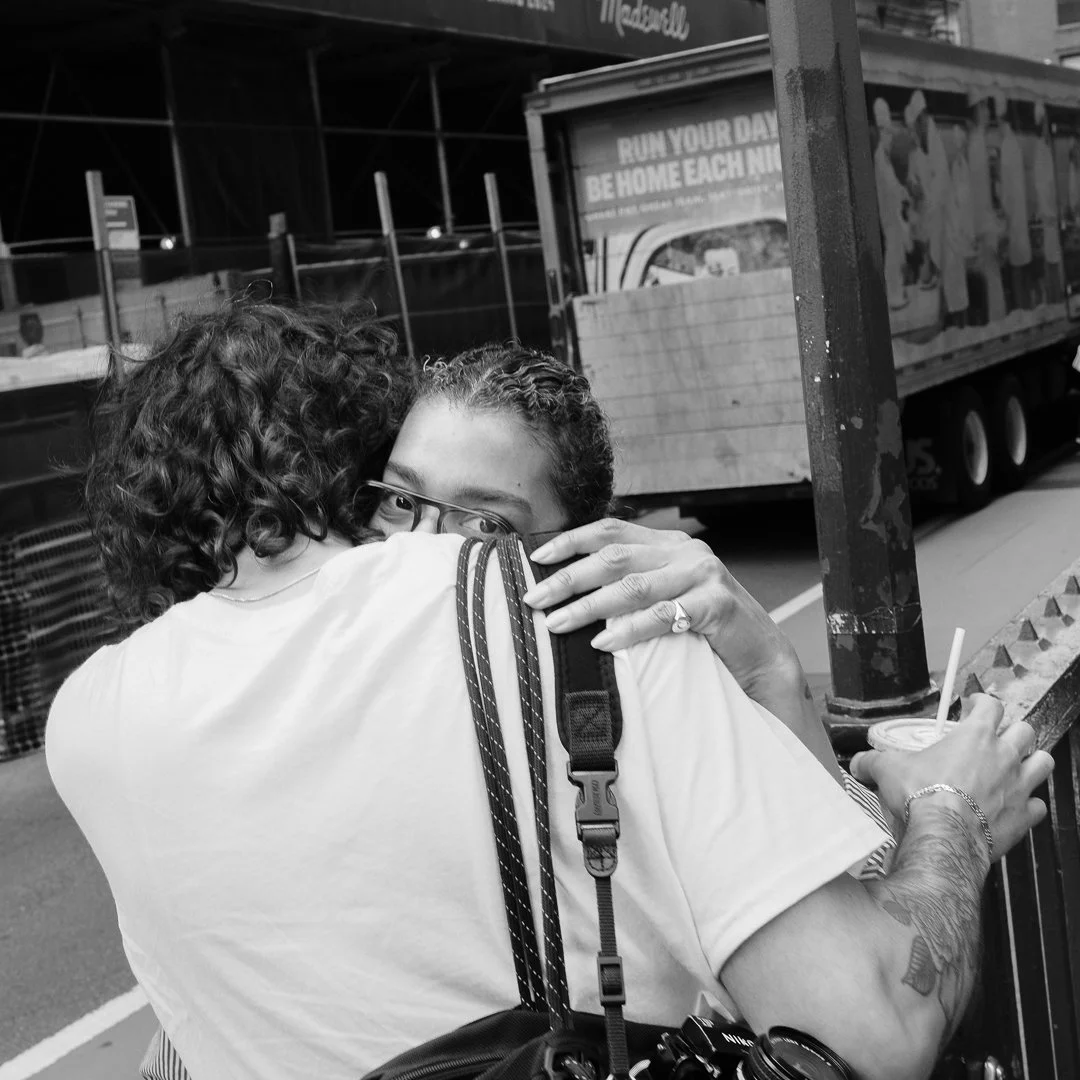
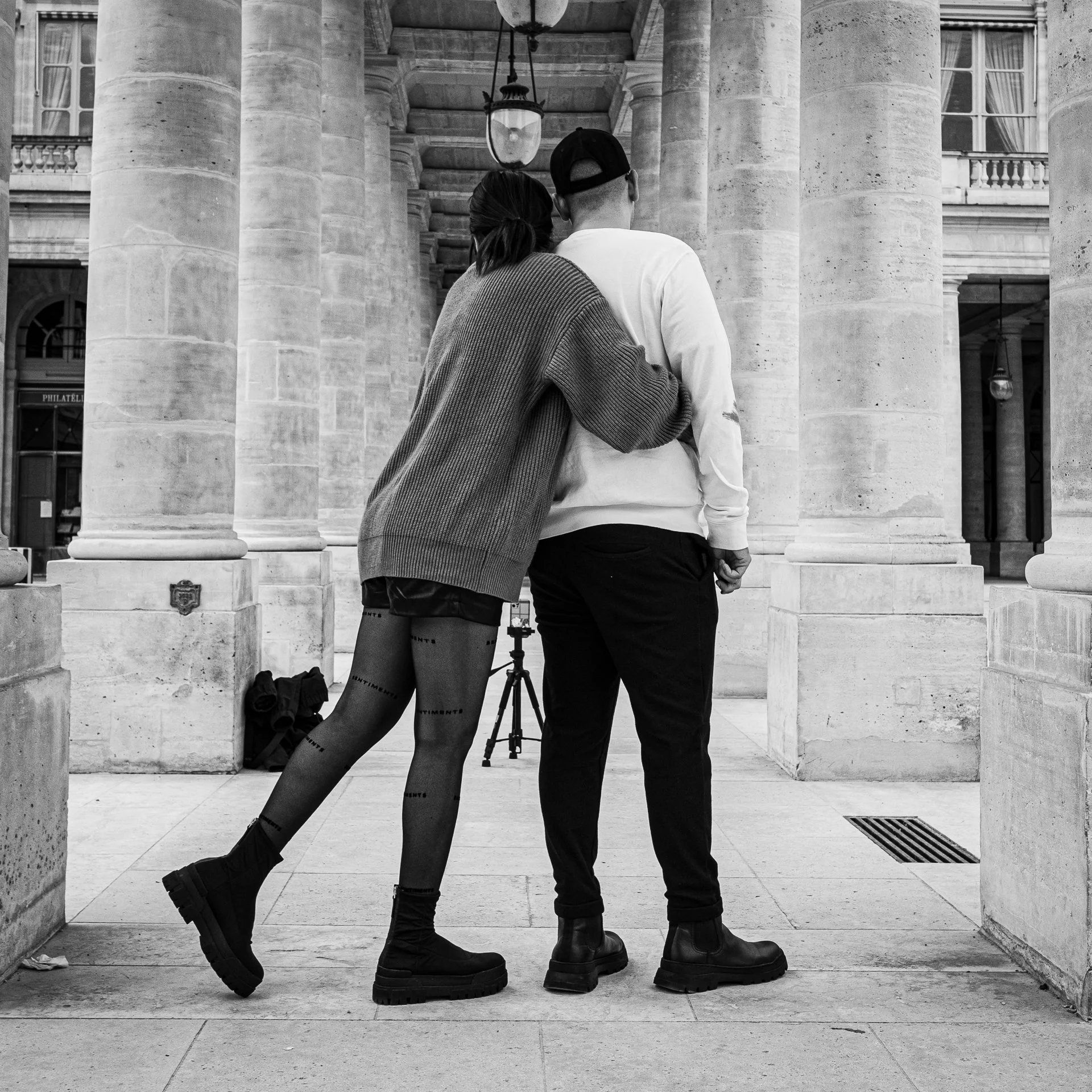
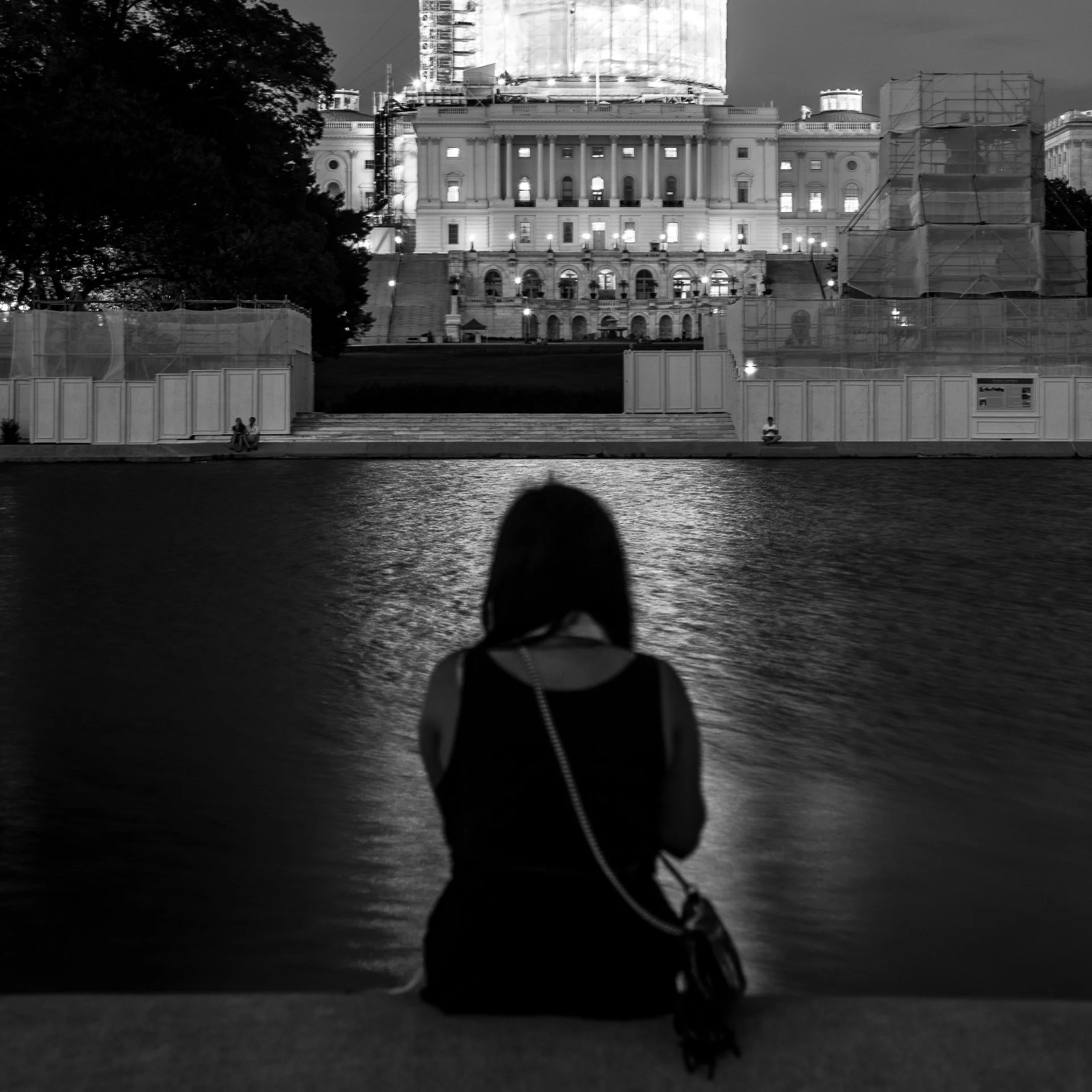
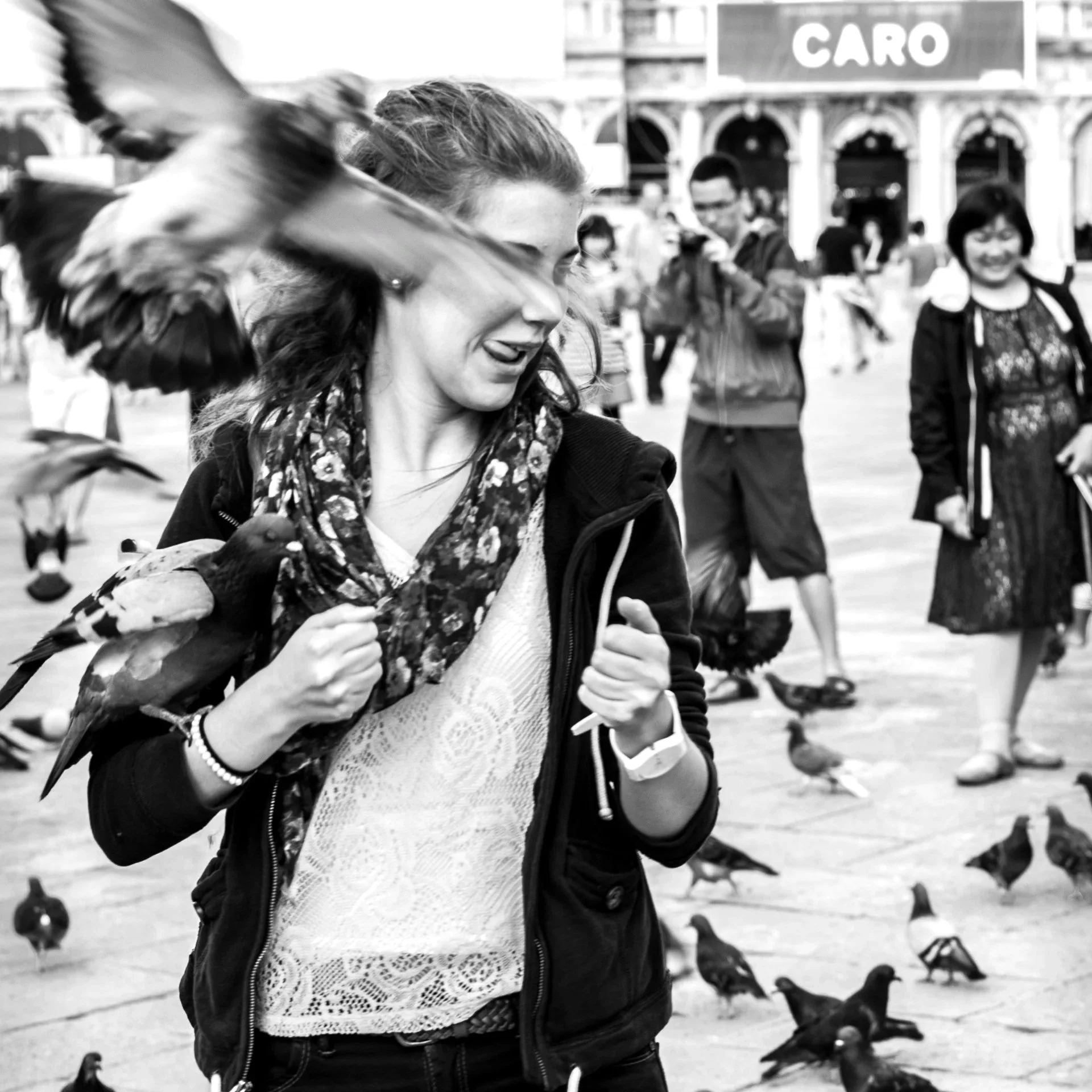
Recommended companion reading for Creative Growth and the Art of Seeing
These four books make excellent companion texts for the six‑part series. Each deepens a distinct strand of the work you’ll be doing — influence and voice, timing and composition, process and practice, and the perceptual habits that shape how you see. Read them as sources of insight and provocation: attend to the specific choices each photographer or author makes, and ask how those choices might inform your own decisions. Emphasise analysis over imitation — identify concrete elements you can adapt (framing, tone, sequencing, use of light), not styles to copy wholesale. There are no exercises or lesson plans here; these are suggested readings to enrich your thinking and sharpen your eye.
1. The Americans — Robert Frank
Why: Frank’s book is a masterclass in building a coherent, personal vision from everyday material; it demonstrates how mood, sequencing, and selective emphasis create meaning.
How to read it: Treat the book as a study in editorial choice. Select five images and write briefly about Frank’s framing, subject selection, tonal decisions, and sequencing — then note one or two small, specific moves you might try in your own work.
2. The Decisive Moment — Henri Cartier‑Bresson
Why: Cartier‑Bresson’s idea of the “decisive moment” is foundational for learning timing, geometry, and the instinctive read of a scene.
How to read it: Focus on the relationship between gesture and geometry. Notice how timing, line, and negative space combine to make an image feel inevitable; record the compositional devices you see and consider how they might sharpen your own instinctive responses.
3. How I Make Photographs — Joel Meyerowitz
Why: Meyerowitz blends practical process with reflective insight, especially around colour, working methods, and the discipline of returning to a place.
How to read it: Use Meyerowitz as a model for process rather than prescription. Observe how method shapes outcome: note his approaches to working a location, sequencing, and colour decisions, and consider which procedural habits you might adopt to make your seeing more deliberate.
4. On Looking: A Walker’s Guide to the Art of Observation — Alexandra Horowitz
Why: Though not a photography book, On Looking is one of the clearest explorations of how attention shapes perception — what we notice, what we miss, and how our habits of looking limit or expand our understanding of the world. It’s a perfect companion for a series centred on seeing.
How to read it: Read with an eye for technique. Note the moments where Horowitz reveals how small shifts in attention change what becomes visible. Translate those insights into simple, repeatable habits you can bring to your walks, your practice, and your photographic way of noticing.
How These Books Work with the Series
Together these titles form a compact, focused curriculum for the series’ aims. Frank models how consistent choices create a singular voice; Cartier‑Bresson sharpens timing and compositional instinct; Meyerowitz shows how process and practice translate seeing into sustained work; and Horowitz expands your perceptual range, teaching you to notice more of the world you move through.
Read them alongside the six parts: let them provoke questions, supply language, and offer concrete moves you can test in your own practice.
Creative Growth and the Art of Seeing Part VI — A photographer’s evolution doesn’t end with clarity — it deepens when clarity is tested. In this final chapter of Creative Growth and the Art of Seeing, I explore how friction, constraint, and deliberate discomfort can expand your visual vocabulary and open new pathways in your work. Growth often begins where comfort ends; when you gently unsettle your habits, your seeing becomes more spacious, more curious, and more fully your own.